

CBR-470-2, a glycine-substituted analog, can activate NRF2 signaling. CBR-470-2 can be used for the research of modulation glycolysis In Vitro CBR-470-2 (1-10 μM; 24 h) increases transcript levels of the NRF2-responsive genes NQO1 and HMOX1 in epidermal keratinocytes and dermal fibroblasts. MCE has not independently confirmed the accuracy of these methods. They are for reference only. In Vivo CBR-470-2 (50 mg/kg; p.o. twice daily for 10 d) induces activation of NRF2 signaling in vivo . MCE has not independently confirmed the accuracy of these methods. They are for reference only. Animal Model: Balb/C mice (5-week old) are exposed to UVB Dosage: 50 mg/kg Administration: P.o. twice daily for 10 days Result: Resulted in comparable beneficial effects on erythema histological scores and total wounded area. Decreased epidermal thickness in response to UV exposure. Form:Solid IC50& Target:NRF2
All
Chemical Reagents
Biomedicine
Organic raw materials
Inorganic chemical industry
intermediate
Agricultural chemicals
Auxiliaries and catalysts
Fragrances and Flavors
Dyes and Pigments
Daily chemical industry
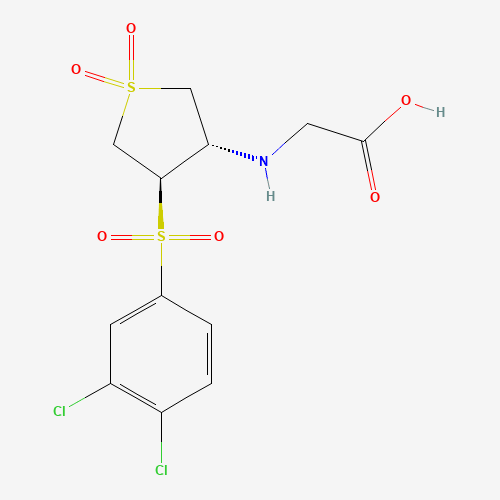
CBR-470-2
CAS number:2416095-00-4 molecular formula:C12H13Cl2NO6S2
overview
compound introduction
Specs
| Chinese alias | - | ||
| English alias | - | ||
| CAS number | 2416095-00-4 | molecular formula | C12H13Cl2NO6S2 |
| molecular weight | 402.27 g/mol | Exact mass | ≥99% |
| PSA | - | logp | - |
numbering system
No numbering system information yet
physicochemical properties
No physical and chemical property information yet
Safety information
No safety information yet
Production methods and uses
No production method and use information yet
Related
upstream information
No upstream information yet
downstream information
No downstream information yet
MSDS
Found 0 shareMSDS




