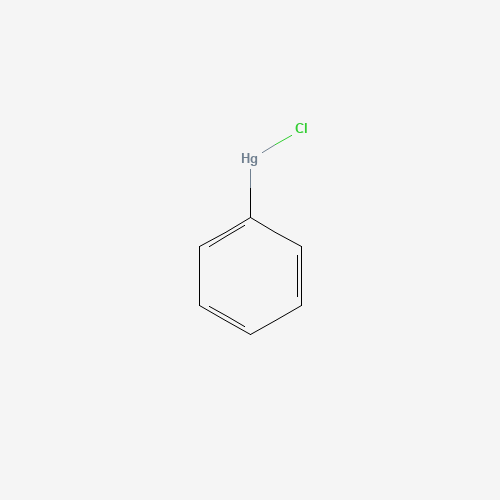
Treatment:
Mercury poisoning is treated by immediate decontamination and chelation therapy using DMSA, DMPS, DPCN, or dimercaprol. (A7)
Toxicity Data:
LD50: 8 mg/kg (Phenylmercuric compounds) (Intraperitoneal, Mouse) (T41)
Health Effects:
Mercury mainly affects the nervous system. Exposure to high levels of metallic, inorganic, or organic mercury can permanently damage the brain, kidneys, and developing fetus. Effects on brain functioning may result in irritability, shyness, tremors, changes in vision or hearing, and memory problems. Acrodynia, a type of mercury poisoning in children, is characterized by pain and pink discoloration of the hands and feet. Mercury poisoning can also cause Hunter-Russell syndrome and Minamata disease. (L7)
Adverse Effects:
Dermatotoxin - Skin burns.
Exposure Routes:
Oral (L7); inhalation (L7); dermal (L7)
Hazards Summary:
Concentrated solution may cause second degree burns; Oral LD50 (rat) = 60 mg/kg; An irritant; Can be absorbed through skin; [MSDSonline] See Mercury, aryl compounds and the linked occupational disease.
Disposal Methods:
SRP: At the time of review, criteria for land treatment or burial (sanitary landfill) disposal practices are subject to significant revision. Prior to implementing land disposal of waste residue (including waste sludge), consult with environmental regulatory agencies for guidance on acceptable disposal practices.
Toxicity Summary:
High-affinity binding of the divalent mercuric ion to thiol or sulfhydryl groups of proteins is believed to be the major mechanism for the activity of mercury. Through alterations in intracellular thiol status, mercury can promote oxidative stress, lipid peroxidation, mitochondrial dysfunction, and changes in heme metabolism. Mercury is known to bind to microsomal and mitochondrial enzymes, resulting in cell injury and death. For example, mercury is known to inhibit aquaporins, halting water flow across the cell membrane. It also inhibits the protein LCK, which causes decreased T-cell signalling and immune system depression. Mercury is also believed to inhibit neuronal excitability by acting on the postsynaptic neuronal membrane. It also affects the nervous system by inhibiting protein...
Ecotoxicity Values:
LC50 Plumaria elegans (Red alga, sporing) 54 ug/l/18 hr (after 7 days) /Conditions of bioassay not specified/
Minimum Risk Level:
Chronic Inhalation: 0.0002 mg/m3 (L134)
Signs and Symptoms:
Common symptoms include peripheral neuropathy (presenting as paresthesia or itching, burning or pain), skin discoloration (pink cheeks, fingertips and toes), edema (swelling), and desquamation (dead skin peels off in layers). (A5)
Regulatory Information:
New Zealand EPA Inventory of Chemical Status: Phenylmercuric chloride: HSNO Approval: HSR006352 Approved with controls
Human Toxicity Excerpts:
Phenylmercury absorbed through the skin from contaminated diapers affected urinary excretion in infants in Buenos Aires. The effects were reversible and quantitatively related to the concn of urinary Hg. /Phenylmercury cmpd/
Carcinogen Classification:
No indication of carcinogenicity (not listed by IARC). (L135)
Non-Human Toxicity Values:
LD50 Mouse ip 8 mg/kg /PhHg/
EPA Hazardous Waste Number:
D009; Mercury. A waste containing mercury may or may not be characterized as a hazardous waste following testing by the Toxicity Characteristic Leaching Procedure as prescribed by the Resource Conservation and Recovery Act (RCRA) regulations. /Mercury/
Hazard Classes and Categories:
Aquatic Chronic 1 (100%)
Volatilization from Water/Soil:
... A large fraction of the /phenylmercury/ spray residue was found in the soil 30-50 days after application; the rest of the Hg was lost by vaporization (either as the organic cmpd or after conversion to Hg metal) or by migration to lower soil horizons since water containing organic cmpd from decomposing vegetable matter can leach adsorbed Hg. /Phenylmercury spray/
Permissible Exposure Limit (PEL):
0.1 [mg/m3], as Hg
Shipment Methods and Regulations:
The International Maritime Dangerous Goods Code lays down basic principles for transporting hazardous chemicals. Detailed recommendations for individual substances and a number of recommendations for good practice are included in the classes dealing with such substances. A general index of technical names has also been compiled. This index should always be consulted when attempting to locate the appropriate procedures to be used when shipping any substance or article.
Environmental Abiotic Degradation:
FUNGICIDAL ACTIVITY OF /PHENYLMERCURIC/ ... CMPD /NOT/ DECREASED MARKEDLY AFTER 52 HR OF LIGHT EXPOSURE ... FOLLOWING CMPD BARELY DECOMPOSED AFTER EQUIV OF 7 DAYS ULTRAVIOLET LIGHT: ... PHENYLMERCURIC CHLORIDE ... .
Probable Routes of Human Exposure:
Prior to 1991, phenylmercuric compounds were used as biocides in 25-30% of interior and exterior latex paint; however, this use of mercury was voluntarily discontinued for interior paint in 1990 and for exterior paint in 1991(1). The use of phenylmercury resulted in the exposure of house painters and residents to mercury vapors in the homes where interior and exterior latex paint was applied(1). Although the use of mercury biocides in latex paint has been discontinued, it is possible that people who use old latex paint in their homes will be exposed to mercury for a considerable time(1). Furthermore, although phenylmercury use in exterior latex paints was discontinued in 1991, paint companies were allowed to continue to produce and sell paint containing phenylmercury until the existing...
Shipping Name/ Number DOT/UN/NA/IMO:
IMO 6.1; Phenylmercuric compounds, not otherwise specified
Skin, Eye, and Respiratory Irritations:
Exposure of the skin to a concentrated solution of phenylmercury cmpd may cause chemical burns with blistering. /Phenylmercury cmpd/
Immediately Dangerous to Life or Health (IDLH):
10.0 [mg/m3], as Hg