
- Adverse Effects: Asthma - Reversible bronchoconstriction (narrowing of bronchioles) initiated by the inhalation of irritating or allergenic agents.
- Cleanup Methods: Persons not wearing protective equipment and clothing should be restricted from areas of spills until cleanup has been completed. If soluble platinum salts or liquids containing soluble salts are spilled, the following steps should be taken: 1. Ventilate area of spill; 2. Collect spilled material in the most convenient and safe manner for reclamation or for disposal in a secured sanitary landfill. Liquids containing soluble platinum salts should be absorbed in vermiculite, dry sand, earth, or a similar material, /Soluble platinum salts/
- Hazards Summary: Irritating to skin; Occupational inhalation allergy (bronchial asthma, rhinitis, conjunctivitis), often in association with urticaria and Quincke edema is common in platinum associated industry. It is due to sensitization against platinum chloride. As an avg of 60% of people working in the platinum industry fall ill with bronchial asthma more stringent protective occupational measures are suggested. A skin and eye irritant; May cause skin and respiratory sensitization after prolonged contact; [eChemPortal: ERMA] A corrosive substance that can cause injury to the skin, eyes, and respiratory tract; May cause skin and respiratory sensitization after prolonged contact; [MSDSonline] See Platinum, soluble salts.
- Disposal Methods: SRP: At the time of review, criteria for land treatment or burial (sanitary landfill) disposal practices are subject to significant revision. Prior to implementing land disposal of waste residue (including waste sludge), consult with environmental regulatory agencies for guidance on acceptable disposal practices.
- Regulatory Information: New Zealand EPA Inventory of Chemical Status: Platinum (II) chloride: Does not have an individual approval but may be used under an appropriate group standard
- Human Toxicity Excerpts: Some workers may show ... allergic manifestations with involvement of the nasal mucosa, bronchi and skin. /Platinum cmpd/
- Other Safety Information: Chemical Assessment: IMAP assessments - Platinum chloride (PtCl2): Human health tier I assessment
- Non-Human Toxicity Values: LD50 Rat male ip 670 mg/kg /From table/
- Non-Human Toxicity Excerpts: ... The dermal irritancy of platinum cmpds in albino rabbits /was investigated/. ... Platinum(II)dichloride ... /was/ applied to intact or abraded skin of rabbits for 24 hr, & the skin reactions were evaluated. ... Platinum(II)dichloride ... /was/ considered only a minor hazard for intact or abraded skin contact.
- Populations at Special Risk: Occupational inhalation allergy (bronchial asthma, rhinitis, conjunctivitis), often in association with urticaria and Quincke edema is common in platinum associated industry. It is due to sensitization against platinum chloride. As an avg of 60% of people working in the platinum industry fall ill with bronchial asthma more stringent protective occupational measures are suggested.
- Hazard Classes and Categories: Aquatic Chronic 4 (30.7%)
- Antidote and Emergency Treatment: Advanced treatment: Consider orotracheal or nasotracheal intubation for airway control in the patient who is unconscious, has severe pulmonary edema, or is in respiratory arrest. Positive pressure ventilation techniques with a bag valve mask device may be beneficial. Monitor cardiac rhythm and treat arrhythmias as necessary ... . Start an IV with D5W /SRP: "To keep open", minimal flow rate/. Use lactated Ringer's if signs of hypovolemia are present. Watch for signs of fluid overload. Consider drug therapy for pulmonary edema ... . For hypotension with signs of hypovolemia, administer fluid cautiously. Watch for signs of fluid overload ... . Treat seizures with diazepam (Valium) ... . Use proparacaine hydrochloride to assist eye irrigation ... . /Poison A and B/
- Permissible Exposure Limit (PEL): 0.002 [mg/m3], as Pt
- Skin, Eye, and Respiratory Irritations: A skin irritant.
Warm reminder:
Because the manufacturer may temporarily adjust product specifications, prices, inventory, parameters and other information without notice, and there are differences in each user's consultation time and procurement needs, the platform reply content is only of reference value within a certain period. Sorry for the inconvenience caused to you, and thank you for your understanding and support! Please consult the online customer service for the latest details. Everything is subject to the real-time reply of the customer service.!
Please check the quantity, appearance and product information in time when you receive the goods. In case of damage, wrong delivery, abnormal quality and other problems, please feel free to contact us.
Service Hotline:400-6226-992 ,We will handle it for you as soon as possible, thank you for your support and trust.!
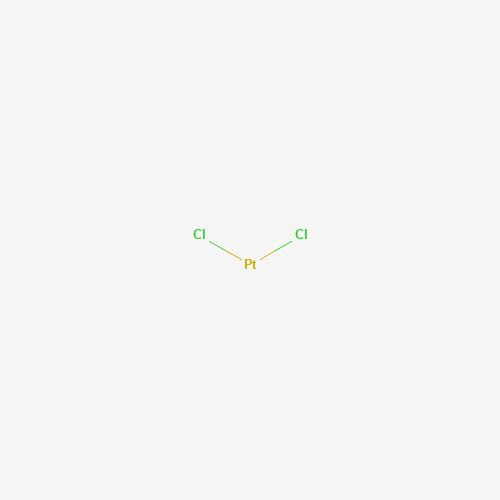
dichloroHua Bo 99. 99% trace metals basis 1g
dichloroHua Bo 99. 99% trace metals basis 1g Macklin 10025-65-7, complete specifications, for production, research, laboratory testing and inspection, digital one-stop procurement platform for scientific materials.