

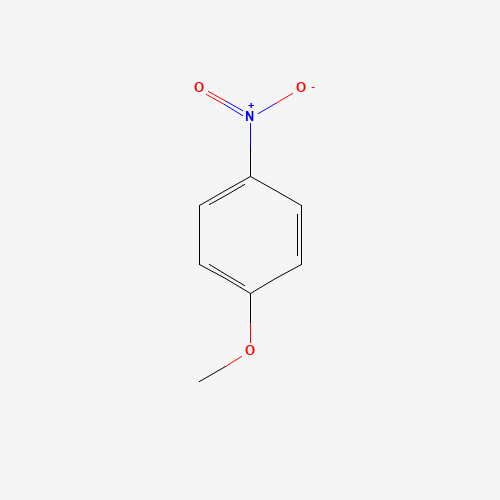
- DOT Label: Poison
- First Aid: INGESTION: DO NOT INDUCE VOMITING. If the victim is conscious and not convulsing, give 1 or 2 glasses of water to dilute the chemical and IMMEDIATELY call a hospital or poison control center. Be prepared to transport the victim to a hospital if advised by a physician. If the victim is convulsing or unconscious, do not give anything by mouth, ensure that the victim's airway is open and lay the victim on his/her side with the head lower than the body. DO NOT INDUCE VOMITING. IMMEDIATELY transport the victim to a hospital. (NTP, 1992)
- Fire Hazards: Combustible material: may burn but does not ignite readily. Containers may explode when heated. Those substances designated with a (P) may polymerize explosively when heated or involved in a fire. Runoff may pollute waterways. Substance may be transported in a molten form. (ERG, 2024)
- Fire Fighting: FIRE INVOLVING TANKS, RAIL TANK CARS OR HIGHWAY TANKS: Fight fire from maximum distance or use unmanned master stream devices or monitor nozzles. Do not get water inside containers. Cool containers with flooding quantities of water until well after fire is out. Withdraw immediately in case of rising sound from venting safety devices or discoloration of tank. ALWAYS stay away from tanks in direct contact with flames. For massive fire, use unmanned master stream devices or monitor nozzles; if this is impossible, withdraw from area and let fire burn. (ERG, 2024)
- Health Hazards: Highly toxic, may be fatal if inhaled, ingested or absorbed through skin. Contact with molten substance may cause severe burns to skin and eyes. Avoid any skin contact. Fire may produce irritating, corrosive and/or toxic gases. Runoff from fire control or dilution water may be corrosive and/or toxic and cause environmental contamination. (ERG, 2024)
- Reactive Group: Nitro, Nitroso, Nitrate, and Nitrite Compounds, Organic
- Adverse Effects: IARC Carcinogen - Class 3: Chemicals are not classifiable by the International Agency for Research on Cancer.
- Hazards Summary: Causes fatty liver degeneration in oral lethal-dose studies of mice; [RTECS] A strong oxidizing agent; May cause skin, eye, and mucous membrane irritation; [CAMEO] May cause irritation; May induce methemoglobinemia; [Sigma-Aldrich MSDS] See o-Nitroanisole.
- Reactivity Alerts: Strong Oxidizing Agent
- Reactivity Profile: NITROANISOLE reacts explosively with (sodium hydroxide + zinc). It reacts vigorously with hydrogen + catalyst (at 482 °F and 25500 mmHg). (NTP, 1992)
- Nonfire Spill Response: ELIMINATE all ignition sources (no smoking, flares, sparks or flames) from immediate area. Do not touch damaged containers or spilled material unless wearing appropriate protective clothing. Stop leak if you can do it without risk. Prevent entry into waterways, sewers, basements or confined areas. Cover with plastic sheet to prevent spreading. Absorb or cover with dry earth, sand or other non-combustible material and transfer to containers. DO NOT GET WATER INSIDE CONTAINERS. (ERG, 2024)
- Regulatory Information: California Safe Cosmetics Program (CSCP) Reportable Ingredient: Report - regardless of intended function of ingredient in the product
- Air and Water Reactions: Insoluble in water.
- Isolation and Evacuation: FIRE: If tank, rail tank car or highway tank is involved in a fire, ISOLATE for 800 meters (1/2 mile) in all directions; also, consider initial evacuation for 800 meters (1/2 mile) in all directions. (ERG, 2024)
- Other Safety Information: Chemical Assessment: Evaluation - Benzene, 1-methoxy-4-nitro-
- Carcinogen Classification: IARC Monographs: Volume 123: (2020) Some Nitrobenzenes and Other Industrial Chemicals
- DOT Hazard Classification: Placard/Label(s)
- Hazard Classes and Categories: Carcinogenicity - Category 1B
- Personal Protective Equipment (PPE): RECOMMENDED RESPIRATOR: Where the neat test chemical is weighed and diluted, wear a NIOSH-approved half face respirator equipped with an organic vapor/acid gas cartridge (specific for organic vapors, HCl, acid gas and SO2) with a dust/mist filter. (NTP, 1992)
Warm reminder:
Because the manufacturer may temporarily adjust product specifications, prices, inventory, parameters and other information without notice, and there are differences in each user's consultation time and procurement needs, the platform reply content is only of reference value within a certain period. Sorry for the inconvenience caused to you, and thank you for your understanding and support! Please consult the online customer service for the latest details. Everything is subject to the real-time reply of the customer service.!
Please check the quantity, appearance and product information in time when you receive the goods. In case of damage, wrong delivery, abnormal quality and other problems, please feel free to contact us.
Service Hotline:400-6226-992 ,We will handle it for you as soon as possible, thank you for your support and trust.!
Research chemical 1mL
Research chemical 1mL; supplied for laboratory research, analysis, inspection, and scientific procurement use; specifications: 1mL.




