

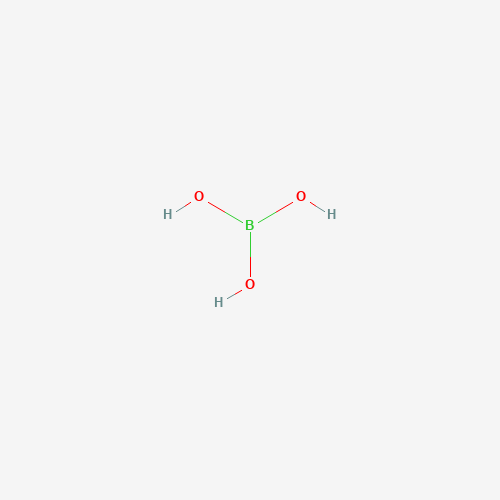
- First Aid: INGESTION: DO NOT INDUCE VOMITING. If the victim is conscious and not convulsing, give 1 or 2 glasses of water to dilute the chemical and IMMEDIATELY call a hospital or poison control center. Be prepared to transport the victim to a hospital if advised by a physician. If the victim is convulsing or unconscious, do not give anything by mouth, ensure that the victim's airway is open and lay the victim on his/her side with the head lower than the body. DO NOT INDUCE VOMITING. IMMEDIATELY transport the victim to a hospital. (NTP, 1992)
- Treatment: EYES: irrigate opened eyes for several minutes under running water. INGESTION: do not induce vomiting. Rinse mouth with water (never give anything by mouth to an unconscious person). Seek immediate medical advice. SKIN: should be treated immediately by rinsing the affected parts in cold running water for at least 15 minutes, followed by thorough washing with soap and water. If necessary, the person should shower and change contaminated clothing and shoes, and then must seek medical attention. INHALATION: supply fresh air. If required provide artificial respiration.
- Body Burden: In serum (toxic concn): Conventional reference range: > 20 mg/L; international recommended reference range: > 340 umol/L /From table, borate/
- Fire Hazards: Not combustible. Gives off irritating or toxic fumes (or gases) in a fire.
- Interactions: ... Previous results have shown that exposure of pregnant rats on GD10 to either hyperthermia (42C) or boric acid (BA) specifically targets segmentation patterns. Exposure to hyperthermia increased the prevalence of fused and/or reduced numbers of vertebrae and ribs, primarily in the thoracic area. BA (500-1000 mg/kg, single oral dose) resulted in a significant increase in segmentation defects similar to those seen after hyperthermia, with a greater incidence in lumbar defects. In this study, we focused on the interaction of these two agents and their effects on axial skeletal development. Pregnant rats were treated on GD10 as follows: Anesthesia with Nembutal (30 mg/kg), followed by oral dosing with either water or BA (500 mg/kg) and immersion in a water bath at 37C (30 min) or 42C (re...
- Safe Storage: Separated from strong bases.
- Fire Fighting: In case of fire in the surroundings, use appropriate extinguishing media.
- Toxicity Data: LCLo (rat) = 28 mg/m3/4hr
- Eye Prevention: Wear safety spectacles or eye protection in combination with breathing protection.
- Fire Potential: Not flammable
- Health Hazards: Although no adverse effects have been reported from inhaling boric acid dust, it is absorbed through mucous membranes. Ingestion of 5 grams or more may irritate gastrointestinal tract and affect central nervous system. Contact with dust or aqueous solutions may irritate eyes; no chronic effects have been recognized, but continued contact should be avoided. Dust and solutions are absorbed through burns and open wounds but not through unbroken skin. (USCG, 1999)
- Reactive Group: Acids, Weak
- Adverse Effects: ACGIH Carcinogen - Not Classifiable.
- EPA Ecotoxicity: Pesticide Ecotoxicity Data from EPA: 43
- Exposure Routes: The substance can be absorbed into the body by inhalation of dust and by ingestion.
- Hazards Summary: In typical cases of poisoning by ingestion, the victims have vomiting and diarrhea, skin desquamation, mucosal erosions, and injury to the liver and kidneys; Evidence of neurotoxicity includes seizures, delirium, and coma. The mechanism of toxicity is not known. [Ford, p. 750-1] A skin irritant; [Quick CPC] In high-dose reproductive studies of animals, boric acid causes testicular damage and fetal loss. [Frazier, p. 252-4] The basis for the TLV for inorganic borate compounds (including boric acid) is irritation of the nose and respiratory tract. Studies of workers exposed to sodium borate dusts found no evidence of pulmonary function or reproductive impairment. [ACGIH] A skin, eye, and respiratory tract irritant; May have effects on the GI tract, liver, and kidneys; Can be absorbed thro...
- Inhalation Risk: Evaporation at 20 °C is negligible; a harmful concentration of airborne particles can, however, be reached quickly, especially if powdered.
- Skin Prevention: Protective gloves. Protective clothing.
- Disposal Methods: SRP: The most favorable course of action is to use an alternative chemical product with less inherent propensity for occupational exposure or environmental contamination. Recycle any unused portion of the material for its approved use or return it to the manufacturer or supplier. Ultimate disposal of the chemical must consider: the material's impact on air quality; potential migration in soil or water; effects on animal, aquatic, and plant life; and conformance with environmental and public health regulations.
- FDA Requirements: Drug products containing certain active ingredients offered over-the-counter (OTC) for certain uses. A number of active ingredients have been present in OTC drug products for various uses, as described below. However, based on evidence currently available, there are inadequate data to establish general recognition of the safety and effectiveness of these ingredients for the specified uses: boric acid is included in topical acne drug products; dandruff/seborrheic dermatitis/psoriasis drug products; skin protectant drug products; astringent drug products; fever blister and cold sore treatment drug products; insect bite and sting drug products; poison ivy, poison oak, poison sumac drug products; ophthalmic anti-infective drug products; diaper rash drug products; and antiseptic drug products.
- Toxicity Summary: Cosmetic Ingredient Review Finding(s): Safe for use in cosmetics, with qualifications
- EC Classification: R: 60-61; S: 53-45; Symbol: T
- Spillage Disposal: Personal protection: particulate filter respirator adapted to the airborne concentration of the substance. Sweep spilled substance into covered containers. If appropriate, moisten first to prevent dusting. Wash away remainder with plenty of water.
- EPA Safer Chemical: EPA Safer Chemical: Yellow triangle - The chemical has met Safer Choice Criteria for its functional ingredient-class, but has some hazard profile issues. Specifically, a chemical with this code is not associated with a low level of hazard concern for all human health and environmental endpoints. (See Safer Choice Criteria). While it is a best-in-class chemical and among the safest available for a particular function, the function fulfilled by the chemical should be considered an area for safer chemistry innovation.
- Environmental Fate: ATMOSPHERIC FATE: According to a model of gas/particle partitioning of semivolatile organic compounds in the atmosphere(1), boric acid, which has a vapor pressure of 1.6X10⁻⁶ mm Hg at 25 °C(2), will exist in both the vapor and particulate phases in the ambient atmosphere. One monitoring study found that approximately 90% of boric acid in the atmosphere is in gaseous form and 10% in particulate form(3). Vapor-phase boric acid is degraded in the atmosphere by reaction with photochemically-produced hydroxyl radicals(SRC); the half-life for this reaction in air is estimated to be about 38 days(SRC), calculated from its rate constant of 4.2X10⁻¹³ cu cm/molecule-sec at 25 °C(SRC) that was derived using a structure estimation method(4). Particulate-phase boric acid may be removed from the air...
- FIFRA Requirements: As the federal pesticide law FIFRA directs, EPA is conducting a comprehensive review of older pesticides to consider their health and environmental effects and make decisions about their continued use. Under this pesticide reregistration program, EPA examines newer health and safety data for pesticide active ingredients initially registered before November 1, 1984, and determines whether the use of the pesticide does not pose unreasonable risk in accordance to newer saftey standards, such as those described in the Food Quality Protection Act of 1996. Borax is found on List A, which contains most food use pesticides and consists of the 194 chemical cases (or 350 individual active ingredients) for which EPA issued registration standards prior to FIFRA '88. Case No: 0024; Pesticide type: i...
- First Aid Measures: Ingestion First Aid: Rinse mouth. Do NOT induce vomiting. Refer immediately for medical attention.
- Reactivity Profile: BORIC ACID is a very weak acid. Incompatible with alkali carbonates and hydroxides. During an attempt to make triacetyl borate, a mixture of boric acid and acetic anhydride exploded when heated to 58-60 °C [Chem. Eng. News 51:(34) 1973]. Reacts violently with the strong reducing agent potassium metal.
- Signs and Symptoms: Ingestion Exposure: Nausea. Vomiting. Diarrhoea. Abdominal pain. Skin rash. Headache. Drowsiness. Convulsions.
- Storage Conditions: Preserve in well-closed containers.
- Exposure Prevention: PREVENT DISPERSION OF DUST! STRICT HYGIENE!
- Preventive Measures: Avoid depositing product onto exposed food and feed processing, preparation and serving surfaces, or introducing material into air. Do not apply when food processing facility is in operation. Any product visible after application must be brushed into cracks and crevices, or removed. Place product in areas that are inaccessible to children and pets.
- Allowable Tolerances: Residues of boric acid are exempted from the requirement of a tolerance when used in accordance with good agricultural practice as inert (or occasionally active) ingredients in pesticide formulations applied to growing crops only. Use: sequestrant. Limit: none.
- Ingestion Prevention: Do not eat, drink, or smoke during work.
- Medical Surveillance: No specific considerations are needed for boric acid or borates except for general health and liver and kidney function. /Boric acid and borates/
- History and Incidents: The medical literature reporting 109 cases of acute toxicity caused by boric acid was reviewed in 1953... . In this series 35% were children less than 1 year of age; their mortality rate was 70%. The mortality rate of the entire series was 55%. Of the 80 cases for which information is available, 73% had GI disturbances, 67% had CNS effects, and 76% had cutaneous lesions.
- Inhalation Prevention: Use local exhaust or breathing protection.
- TSCA Test Submissions: UNREVIEWED | Boric acid (CAS No. 10043-35-3) was evaluated for developmental toxicity in artificially inseminated New Zealand White rabbits. A 5 ml aqueous solution of 0, 62.5, 125, or 250 mg/kg/day was orally administered to 30 females per group on days 6-19 of gestation. Two early, non-treatment related mortalities were recorded, one each in the 62.5 mg/kg/day group and the 125 mg/kg/day group. Does from the 250 mg/kg/day group exhibited vaginal bleeding with associated pregnancy loss. This group also showed decreased food consumption, body weight, weight change during treatment, and gravid uterine weight relative to controls. No clinical signs of toxicity were seen in the other groups. Evidence of developmental toxicity at 250 mg/kg/day included a 90% average rate of resorption compa...
- Nonfire Spill Response: STORAGE PRECAUTIONS: You should store this material under ambient temperatures. (NTP, 1992)
- Regulatory Information: New Zealand EPA Inventory of Chemical Status: Boric acid (nonspecific): Does not have an individual approval but may be used under an appropriate group standard
- Air and Water Reactions: Water soluble.
- Other Safety Information: Chemical Assessment: IMAP assessments - Boric acid: Human health tier II assessment
- Soil Adsorption/Mobility: Adsorption of boron in soils depends on pH, organic content and types of clay and minerals in the soil(1). At acidic pH, boron exists in solutions in the form of undissociated boric acid; at alkaline pH, presence of borate ion occurs, which reaches maximum adsorption at pH 8.5-9(1). Field studies have observed boron to leach readily in soil(1).
- Carcinogen Classification: No indication of carcinogenicity to humans (not listed by IARC).
- Natural Pollution Sources: Boric acid is found in nature as the mineral sassolite and is also the predominant form of boron in natural waters and an important form in biological systems(1). Atmospheric emissions of borates and boric acid in particulate (<1-45 um in size) or vapor form occur as a result of volatilization of boric acid from the sea and volcanic activity(2); seawater evaporation is the biggest contribution to boron in air(2).
- Atmospheric Concentrations: RURAL/REMOTE: Atmospheric concentrations of boron were measured at continental, coastal, and remote marine sites(1); mean particulate boron concentrations ranged from 1.8 to 12.2 ng/cu m, from 2.4 to 3.7 ng/cu m, and from <0.5 to 2.8 ng/cu m for the three types of site, respectively; mean gaseous boron concentrations ranged from <0.5 to 20.7 ng/cu m, from 3.5 to 82.8 ng/cu m, and from 0.6 to 25 ng/cu m, respectively(1).
- Artificial Pollution Sources: UNREVIEWED | Boric acid's production and use in a wide variety of consumer and commercial products and applications(1) may result in its release to the environment through various waste streams(SRC). Boric acid's use as a crosslinking agent and friction reducer in hydraulic fracturing fluids(2,3) and its use as an active registered pesticide(4) will result in its direct release to the environment(SRC). Atmospheric emissions of boric acid in particulate and vapor form occur as a result of mining operations, glass and ceramics manufacturing, the application of agricultural chemicals, and coal-fired power plants(1).
- Environmental Biodegradation: No biotransformation processes have been reported for boron compounds(1). Boric acid has been shown to be a mild antiseptic agent with bacteriostatic action(2). A concentration beyond 10 mg/L produces toxicity to activated sludge cultures(3).
- Evidence for Carcinogenicity: A4; Not classifiable as a human carcinogen. /Borate compounds, inorganic/
- Threshold Limit Values (TLV): TLV-STEL (Short Term Exposure Limit): 6 mg/m³ (inhalable particulate matter) [2004]
- Effects of Long Term Exposure: Repeated or prolonged contact with skin may cause dermatitis. The substance may have effects on the testes. Animal tests show that this substance possibly causes toxicity to human reproduction or development.
- Hazard Classes and Categories: Repr. 1B
- Effects of Short Term Exposure: The substance is irritating to the respiratory tract. May cause mechanical irritation to the eyes. The substance may cause effects on the central nervous system and kidneys. This may result in impaired functions.
- Environmental Bioconcentration: Highly water soluble materials are unlikely to bioaccumulate to any significant degree, and borate species are all present essentially as undissociated boric acid at neutral pH(1). The octanol/water partition coefficient for boric acid has been measured as 0.175(1), indicating low bioaccumulation potential(1). Boron did not bioaccumulate in 47-day and 21-day exposure tests using oysters and sockeye salmon respectively(1).
- Volatilization from Water/Soil: The Henry's Law constant for boric acid is estimated as 2.6X10⁻¹² atm-cu m/mole(SRC) derived from its vapor pressure, 1.6X10⁻⁶ mm Hg(1), and water solubility, 5X10+4 mg/L(2). This Henry's Law constant indicates that boric acid is expected to be essentially nonvolatile from water surfaces(3). Boric acid is not expected to volatilize from dry soil surfaces based upon its vapor pressure(SRC).
- State Drinking Water Guidelines: (WI) WISCONSIN 960 ug/L /Boron/
- Protective Action Criteria (PAC): PAC-3: 130 [mg/m3]
- Environmental Abiotic Degradation: The rate constant for the vapor-phase reaction of boric acid with photochemically-produced hydroxyl radicals has been estimated as 4.2X10⁻¹³ cu cm/molecule-sec at 25 °C(SRC) using a structure estimation method. This corresponds to an atmospheric half-life of about 38 days at an atmospheric concentration of 5X10+5 hydroxyl radicals per cu cm(1).
- Federal Drinking Water Guidelines: EPA 600 ug/L /Boron/
- Probable Routes of Human Exposure: The products registered for use which contain boric acid as the active ingredient are applied in aquatic, outdoor and indoor sites (i.e., commercial, industrial, domestic dwellings, food handling establishments, sewage systems, wood protection treatment to buildings, etc). Depending on the use site, boric acid may be applied using a spreader, fixed-wing aircraft, knife/spatula, airblower, power duster, squeeze applicator, or aerosol can. Based on the use patterns, the potential for dermal and inhalation exposure exists, (i.e., exposure to persons applying the products, exposure to humans reentering the treated areas, etc)(1).
- Environmental Water Concentrations: SEAWATER: A worldwide average concentration of boron in seawater is reported to be about 5 mg/L(1).
- Occupational Exposure Limits (OEL): MAK (Maximale Arbeitsplatz Konzentration): (inhalable fraction): 10 mg/m
- Environmental Fate/Exposure Summary: Boric acid is found in nature as the mineral sassolite and is the predominant form of boron in natural waters. Atmospheric emissions of boric acid in particulate and vapor form occur as a result of volatilization of boric acid from the sea and volcanic activity; seawater evaporation is the biggest contribution in air. Boric acid's production and use in a wide variety of consumer and commercial products and applications may result in its release to the environment through various waste streams. It's use as a crosslinking agent and friction reducer in hydraulic fracturing fluids and its use as an active registered pesticide will result in its direct release to the environment. Atmospheric emissions of boric acid occur as a result of mining operations, glass and ceramics manufacturing, the...
- Personal Protective Equipment (PPE): Chemical goggles; chemical resistant gloves and clothing. (USCG, 1999)
- Skin, Eye, and Respiratory Irritations: Products containing 0.4% and 2.4% boric acid were moderately irritating and practically nonirritating /to the skin/, respectively.
- Exposure Control and Personal Protection: Maximum Allowable Concentration (MAK): 10.0 [mg/m3], inhalable fraction[German Research Foundation (DFG)]
- Other Standards Regulations and Guidelines: 0.5 mg/l maximum (USSR) /Boron in drinking water/
- Hazardous Reactivities and Incompatibilities: Incompatible /with/ alkali carbonates and hydroxides.
Warm reminder:
Because the manufacturer may temporarily adjust product specifications, prices, inventory, parameters and other information without notice, and there are differences in each user's consultation time and procurement needs, the platform reply content is only of reference value within a certain period. Sorry for the inconvenience caused to you, and thank you for your understanding and support! Please consult the online customer service for the latest details. Everything is subject to the real-time reply of the customer service.!
Please check the quantity, appearance and product information in time when you receive the goods. In case of damage, wrong delivery, abnormal quality and other problems, please feel free to contact us.
Service Hotline:400-6226-992 ,We will handle it for you as soon as possible, thank you for your support and trust.!
boric acid HPLC/100g
boric acid HPLC/100g, 10043-35-3, , number idemono complete.




