

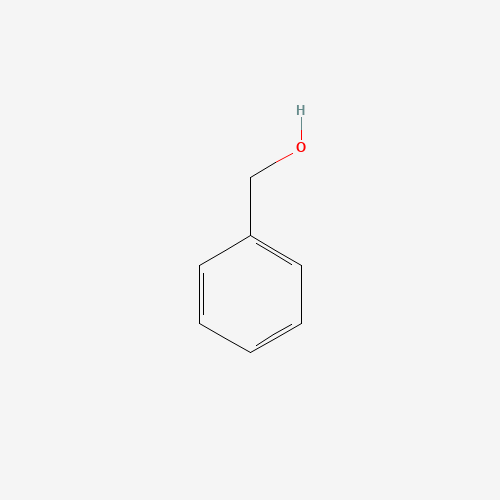
- First Aid: INGESTION: DO NOT INDUCE VOMITING. Corrosive chemicals will destroy the membranes of the mouth, throat, and esophagus and, in addition, have a high risk of being aspirated into the victim's lungs during vomiting which increases the medical problems. If the victim is conscious and not convulsing, give 1 or 2 glasses of water to dilute the chemical and IMMEDIATELY call a hospital or poison control center. IMMEDIATELY transport the victim to a hospital. If the victim is convulsing or unconscious, do not give anything by mouth, ensure that the victim's airway is open and lay the victim on his/her side with the head lower than the body. DO NOT INDUCE VOMITING. Transport the victim IMMEDIATELY to a hospital. (NTP, 1992)
- Fire Hazards: Combustible.
- Interactions: Acetaminophen (APAP) toxicity is the most common cause of acute liver failure in industrialized countries. Understanding the mechanisms of APAP-induced liver injury as well as other forms of sterile liver injury is critical to improve the care of patients. Recent studies demonstrate that danger signaling and inflammasome activation play a role in APAP-induced injury. The aim of these investigations was to test the hypothesis that benzyl alcohol (BA) is a therapeutic agent that protects against APAP-induced liver injury by modulation of danger signaling. APAP-induced liver injury was dependent, in part, on Toll-like receptor (TLR)9 and receptor for advanced glycation endproducts (RAGE) signaling. BA limited liver injury over a dose range of 135-540 ug/g body weight or when delivered as a...
- Safe Storage: Separated from strong oxidants.
- Fire Fighting: Use powder, AFFF, foam, carbon dioxide.
- Toxicity Data: LCLo (rat) = 1,000 ppm/8h
- Eye Prevention: Wear safety spectacles.
- Fire Potential: Combustible
- Health Hazards: Inhalation of vapor may cause irritation of upper respiratory tract. Prolonged or excessive inhalation may result in headache, nausea, vomiting, and diarrhea. In severe cases, respiratory stimulation followed by respiratory and muscular paralysis, convulsions, narcosis and death may result. Ingestion may produce severe irritation of the gastrointestinal tract, followed by nausea, vomiting, cramps and diarrhea; tissue ulceration may result. Contact with eyes causes local irritation. Material can be absorbed through skin with anesthetic or irritant effect. (USCG, 1999)
- Reactive Group: Alcohols and Polyols
- Adverse Effects: Skin Sensitizer - An agent that can induce an allergic reaction in the skin.
- Cleanup Methods: Accidental Release Measures. Personal precautions, protective equipment and emergency procedures: Use personal protective equipment. Avoid breathing vapours, mist or gas. Ensure adequate ventilation. Environmental precautions: Prevent further leakage or spillage if safe to do so. Do not let product enter drains. Discharge into the environment must be avoided. Methods and materials for containment and cleaning up: Soak up with inert absorbent material and dispose of as hazardous waste. Keep in suitable, closed containers for disposal.
- Exposure Routes: The substance can be absorbed into the body by inhalation of its vapour and by ingestion.
- Fire Prevention: NO open flames.
- Hazards Summary: Rarely causes allergic contact dermatitis; [Marks, p. 136] Occupational contact urticaria has been reported. [PMID 11766131] A skin and eye irritant; Inhalation of high concentrations may cause CNS effects; May cause skin sensitization; [ICSC] No deaths in rats exposed to saturated concentrations (100-200 ppm) for 2 hours; Rapidly metabolized to hippuric acid; Has caused deaths in premature infants when given in IV solutions >4.5 mg/kg-day; [AIHA] Included in list of established contact allergens in humans; [EC: Scientific Committee on Consumer Safety: Fragrance allergens in cosmetic products (2011)]
- Inhalation Risk: No indication can be given about the rate at which a harmful concentration of this substance in the air is reached on evaporation at 20 °C.
- Skin Prevention: Protective gloves.
- Special Reports: Nair B.; Final report on the safety assessment of Benzyl Alcohol, Benzoic Acid, and Sodium Benzoate. Int J Toxicol. 20 Suppl 3: 23-50 (2001)[Nair B; Int J Toxicol 20 Suppl 3: 23-50 (2001)]
- Disposal Methods: Waste treatment methods. Product: Offer surplus and non-recyclable solutions to a licensed disposal company. Contact a licensed professional waste disposal service to dispose of this material. Contaminated packaging: Dispose of as unused product.
- Toxicity Summary: IDENTIFICATION: Benzyl alcohol is an aromatic organic alcohol, water-white in color with a faint aromatic odor and a sharp burning taste; it is a preservative, a solvent, and a local anesthetic. It is used in a wide variety of products including photographic developer for color movie films; dyeing nylon filament, textiles, and sheet plastics; solvent for dyestuffs, cellulose esters, casein, waxes; heat-sealing polyethylene films; intermediate for benzyl esters and ethers; bacteriostatic; cosmetics, ointments, emulsions; ball point pen inks; stencil inks. HUMAN EXPOSURE AND TOXICITY: Benzyl alcohol has been found to be irritating to the skin at levels 3% or greater. Patch test with 0.65% benzyl alcohol did not produce irritation of the skin. Benzyl alcohol poisoning can cause the gasping...
- EC Classification: Symbol: Xn; R: 20/22; S: (2)-26
- Spillage Disposal: Collect leaking and spilled liquid in sealable containers as far as possible. Absorb remaining liquid in sand or inert absorbent. Then store and dispose of according to local regulations. Personal protection: filter respirator for organic gases and vapours adapted to the airborne concentration of the substance.
- EPA Safer Chemical: EPA Safer Chemical: Yellow triangle - The chemical has met Safer Choice Criteria for its functional ingredient-class, but has some hazard profile issues. Specifically, a chemical with this code is not associated with a low level of hazard concern for all human health and environmental endpoints. (See Safer Choice Criteria). While it is a best-in-class chemical and among the safest available for a particular function, the function fulfilled by the chemical should be considered an area for safer chemistry innovation.
- Ecotoxicity Values: USDA APHIS Chemical Effects: collection=usda_chemeffect&query_type=synonym&query='^100-51-6$'
- Environmental Fate: ATMOSPHERIC FATE: According to a model of gas/particle partitioning of semivolatile organic compounds in the atmosphere(1), benzyl alcohol, which has a vapor pressure of 9.4X10⁻² mm Hg at 25 °C(2), is expected to exist solely as a vapor in the ambient atmosphere. Vapor phase benzyl alcohol is degraded in the atmosphere by reaction with photochemically produced hydroxyl radicals(SRC); the half-life for this reaction in air is estimated to be 2 days(SRC), calculated from its rate constant of 2.3X10⁻¹¹ cu cm/molecule sec at 25 °C(3). Benzyl alcohol does not contain chromophores that absorb at wavelengths >290 nm(4) and therefore is not expected to be susceptible to direct photolysis by sunlight(SRC).
- First Aid Measures: Ingestion First Aid: Rinse mouth. Refer for medical attention .
- Food Survey Values: The concentrations in three commercial fermented soybean (Glycine max) available in Hong Kong markets were 107.6, 138., and 211.7 ug/kg(1). Benzyl alcohol was detected in Australian honey at concentrations of and 0.1-0.6 mg/kg from sources of yellow box (Eucalyptus melliodora); it was not detected in honey based on Australian blue gum (Eucalyptus leaucoxylon)(2). The compound is a volatile of ground musty sorghum(3). Benzyl alcohol was identified in Korean red pine (Pinus densiflora) pine sprout tea and pine needle tea(4).
- Reactivity Profile: Attacks plastics. [Handling Chemicals Safely 1980. p. 236]. Acetyl bromide reacts violently with alcohols or water [Merck 11th ed. 1989]. Mixtures of alcohols with concentrated sulfuric acid and strong hydrogen peroxide can cause explosions. Example: an explosion will occur if dimethylbenzylcarbinol is added to 90% hydrogen peroxide then acidified with concentrated sulfuric acid. Mixtures of ethyl alcohol with concentrated hydrogen peroxide form powerful explosives. Mixtures of hydrogen peroxide and 1-phenyl-2-methyl propyl alcohol tend to explode if acidified with 70% sulfuric acid [Chem. Eng. News 45(43):73 1967; J, Org. Chem. 28:1893 1963]. Alkyl hypochlorites are violently explosive. They are readily obtained by reacting hypochlorous acid and alcohols either in aqueous solution or m...
- Signs and Symptoms: Ingestion Exposure: Abdominal pain. Diarrhoea. Drowsiness. Nausea. Vomiting.
- Storage Conditions: Conditions for safe storage, including any incompatibilities: Keep container tightly closed in a dry and well-ventilated place. Handle and store under inert gas. Hygroscopic.
- Milk Concentrations: EXPERIMENTAL: When used as a teat dip, concentrations in the /cow/ milk ranging from 7.6-120 ug/L benzyl alcohol have been determined. When good husbandry practice was followed and the udder dry wiped before milking, mean residues in the milk were reported to be 21 ug/L(1).
- Firefighting Hazards: Special hazards arising from the substance or mixture: Carbon oxides.
- Ingestion Prevention: Do not eat, drink, or smoke during work.
- RAIS Toxicity Values: Oral Subchronic Chronic Reference Dose Reference: PPRTV Current
- Atmospheric Standards: This action promulgates standards of performance for equipment leaks of Volatile Organic Compounds (VOC) in the Synthetic Organic Chemical Manufacturing Industry (SOCMI). The intended effect of these standards is to require all newly constructed, modified, and reconstructed SOCMI process units to use the best demonstrated system of continuous emission reduction for equipment leaks of VOC, considering costs, non air quality health and environmental impact and energy requirements. Benzyl alcohol is produced, as an intermediate or a final product, by process units covered under this subpart.
- Inhalation Prevention: Use ventilation.
- Regulatory Information: New Zealand EPA Inventory of Chemical Status: Benzenemethanol: HSNO Approval: HSR001039 Approved with controls
- Air and Water Reactions: Slightly soluble in water.
- Effluent Concentrations: Of the total non-methane organic compounds analyzed in 14 whole air source emission samples from Cairo Egypt collected between June 5 and 10, 1997, benzyl alcohol accounted (% by weight) for: 0.06% (roadway); 0.48% in hot soak, 0.18% in cold start (bus parking garage); 0.01% (motorcycle); 0.02% (petroleum refinery); 0.28% (lead smelter); and 0.28% (cast iron factory); however, these results were in conjunction with p cymene(1). It was not detected in regular or high grade gasoline headspace, regular or high grade whole gasoline, non-combusted LPG, nor non-combusted natural gas(1). Benzyl alcohol was detected in the emissions of 3 and 28 day old PVC cushion vinyl at concentrations of 9 and 5 ug/sq m(2). Benzyl alcohol has been identified as a substance emitted from an operating TV set(3).
- ICSC Environmental Data: The substance is toxic to aquatic organisms.
- Fire Fighting Procedures: Advice for firefighters: Wear self contained breathing apparatus for fire fighting if necessary.
- Other Safety Information: Chemical Assessment: Evaluation - Chemicals that are unlikely to require further regulation to manage risks to environment
- Soil Adsorption/Mobility: Experimental Koc values for benzyl alcohol were <5 for three different soils; Apison (0.11% organic carbon), Fullerton (0.06% organic carbon), and Dormont (1.2% organic carbon)(1). An experimental Koc of 15 was determined for benzyl alcohol on a red-brown Australian soil (1.09% organic carbon)(2,3). A log Koc of 1.43 has also been reported(4). According to a classification scheme(5), these Koc values suggest that benzyl alcohol is expected to have very high mobility in soil.
- Carcinogen Classification: Summary: Under the conditions of these 2-year gavage studies, there was no evidence of carcinogenic activity of benzyl alcohol for male or female F344/N rats dosed with 200 or 400 mg/kg. Survival in both dose groups of female rats was 50% that of vehicle controls, primarily due to an increased number of gavage-related deaths. There was no evidence of carcinogenic activity of benzyl alcohol for male or female B6C3F1 mice dosed with 100 or 200 mg/kg for 2 years.
- Natural Pollution Sources: Benzyl alcohol occurs primarily in flower oils and tree exudates(1). Several plants containing benzyl alcohol include tea, hyacinth, daffodil, jasmine, rosemary, tangerine, peppermint, and blueberry(2). Benzyl alcohol is a constituent of jasmine, hyacinth, ylang-ylang oils, and at least 2 dozen additional essential oils(1,3). It is an important part of the odor of gardenia, some rose varieties, narcissus and peony, as well as castoreum, balsams of perus and tolu, and propolis(1).
- Peroxide Forming Chemical: Reference(s): Kelly
- Atmospheric Concentrations: SOURCE DOMINATED: Benzyl alcohol concentrations in Los Angeles air sampled on Sept 8-9, 1993 during a severe photochemical smog episode ranged from 2.67-143.97 ng/cu m(1).
- NFPA Hazard Classification: NFPA Instability Rating: 0 - Materials that in themselves are normally stable, even under fire conditions.
- Fish/Seafood Concentrations: Benzyl alcohol was detected in salt-fermented fish and shrimp pastes at concentrations of 352-1,230 ng/g(1). Benzyl alcohol was identified, not quantified, in the volatile emissions of cooked clams(2). Benzyl alcohol was found to be a volatile component of Southeast Asian crab meat (Charybdis feriatus) at concentrations of 4.4, 3.8 and 71.7 ug/kg from leg, body and carapace, respectively(3).
- Lower Explosive Limit (LEL): 1.3%
- Populations at Special Risk: Premature neonates are at high risk of /benzyl alcohol/ toxicity.
- Upper Explosive Limit (UEL): 13%
- Artificial Pollution Sources: Benzyl alcohol's production and use as a solvent, chemical intermediate, pharmaceutical aid, in perfumery and flavoring (mostly as its aliphatic esters)(1), in textiles and sheet plastics, inks, cosmetics, as a bacteriostat, and photographic developer(2) and fragrance ingredient or preservative(3) may result in its release to the environment through various waste streams(SRC).
- Environmental Biodegradation: ANAEROBIC: Under anaerobic conditions, benzyl alcohol underwent 100% mineralization within 2 weeks when inoculated with a municipal digester sludge(1). Benzyl alcohol at an initial concentration of 50 ppm underwent greater than 75% mineralization to carbon dioxide and methane within 8 weeks using a municipal sewage sludge inoculum under anaerobic conditions(2). Using sediment from anoxic salt marsh, 10 mM benzyl alcohol underwent degradation to carbon dioxide and methane after a 2 month incubation period(3). Benzyl alcohol was shown to be readily biodegradable using a synthetic anaerobic sewage sludge(4).
- Sediment/Soil Concentrations: SEDIMENT: Benzyl alcohol was detected not quantified in sediments from three river estuaries and a port in Niigata, Japan, sampled in September 1995(1). The compound was detection in samples from the Hokura River (drains industrial and agricultural areas) at a factor of 10+5, the Shinano River (drains urban and agricultural areas) at a factor of 10+5, and the Tainai River (drains industrial and agricultural areas) at a factor of 10+5; concentrations in samples from the Niigata East Port (drains industrial areas) were at a factor of 10+6(1).
- Effects of Long Term Exposure: Repeated or prolonged contact may cause skin sensitization.
- Hazard Classes and Categories: Skin Sens. 1B
- Effects of Short Term Exposure: The aerosol is irritating to the eyes and skin. The substance may cause effects on the nervous system.
- Environmental Bioconcentration: An estimated BCF of 1.4 was calculated in fish for benzyl alcohol(SRC), using a log Kow of 1.10(1) and a regression-derived equation(2). According to a classification scheme(3), this BCF suggests the potential for bioconcentration in aquatic organisms is low(SRC).
- Explosive Limits and Potential: Explosive limits, vol% in air: 1.3-13
- Volatilization from Water/Soil: The Henry's Law constant for benzyl alcohol is 3.37X10⁻⁷ atm cu m/mole(1). This Henry's Law constant indicates that benzyl alcohol is expected to be essentially nonvolatile from water and moist soil surfaces(2). Based on this Henry's Law constant, the volatilization half-life from a model river (1 m deep, flowing 1 m/sec, wind velocity of 3 m/sec)(2) is estimated as 113 days(SRC). The volatilization half-life from a model lake (1 m deep, flowing 0.05 m/sec, wind velocity of 0.5 m/sec)(2) is estimated as 825 days(SRC). Benzyl alcohol's Henry's Law constant indicates that volatilization from moist soil surfaces may occur(SRC). Benzyl alcohol is not expected to volatilize from dry soil surfaces(SRC) based upon a vapor pressure of 9.4X10⁻² mm Hg(3).
- State Drinking Water Guidelines: (FL) FLORIDA 2,100 ug/L
- Protective Action Criteria (PAC): PAC-3: 660 [ppm]
- Shipment Methods and Regulations: Benzyl alcohol can be transported in drums protected by stoving finishes and in tank wagons of aluminum or stainless steel.
- Critical Temperature and Pressure: Critical temperature: 715 K; Critical pressure: 4.3X10+6 Pa
- Environmental Abiotic Degradation: The half-life for the reaction of benzyl alcohol with alkylperoxy radicals was estiamted at 9 years(SRC) using an experimentally determined rate constant of 2.4 L/mole-s(1) and an estimated alkylperoxy concentration in water of 1X10⁻⁹ mole/L(2). The half-life for the reaction of benzyl alcohol with photochemically produced hydroxyl radicals in water can be estimated at approximately 100 days using an experimentally determined rate constant of 8.4X10+9 L/mole-s(3) and an optimal hydroxyl radical concentration of 1X10-17 mole/L in natural waters(2). Exposure of benzyl alcohol to sunlight for 4 hours in natural water did not produce any detectable oxidizing species (detection limit 1.5 uM), demonstrating that photochemical induced oxidation did not occur within that time frame(4).
- Probable Routes of Human Exposure: NIOSH (NOES Survey 1981-1983) has statistically estimated that 404,916 workers (236,470 of these were female) were potentially exposed to benzyl alcohol in the US(1). Occupational exposure to benzyl alcohol may occur through inhalation and dermal contact with this compound at workplaces where benzyl alcohol is produced or used. Monitoring and use data indicate that the general population may be exposed to benzyl alcohol via dermal contact with consumer products containing benzyl alcohol and to a lesser extent via inhalation of ambient air, ingestion of food and drinking water(SRC).
- Environmental Water Concentrations: RAIN/SNOW/FOG: Benzyl alcohol was detected in March snow samples of urban and rural regions in Russia: in Butovo, Russia at 0.004, Moscow State University, Moscow Russia at 0.11, Shosse Entuziastov, Moscow, Russia at 0.04, and Baikal'sl on Lake Baikal, Siberia (in the vicinity of pulp and paper mill) at 0.30 ug/kg. It was not detected in samples from Finland(1).
- Occupational Exposure Limits (OEL): MAK (Maximale Arbeitsplatz Konzentration): 22 mg/m
- Other Environmental Concentrations: Benzyl alcohol was reported in leachate from cellular phones using the Waste Extraction Test. Average concentrations quantified using EPA detection method 625 ranged from 383-437 mg/kg(1). Benzyl alcohol was identified as a volatile emission from electrical plug-in type of pine-scented air freshener(2). Fireplace emissions from partially seasoned oak tested positive for benzyl alcohol(3).
- Environmental Fate/Exposure Summary: Benzyl alcohol's production and use as a solvent and chemical intermediate, in perfumery and flavoring, in textiles and sheet plastics, inks, cosmetics, and pharmaceutical aid may result in its release to the environment through various waste streams. Benzyl alcohol's natural occurrence in flower oils and tree exudates may result in its direct release to the environment. If released to air, a vapor pressure of 9.4X10⁻² mm Hg at 25 °C indicates benzyl alcohol will exist solely as a vapor in the atmosphere. Vapor-phase benzyl alcohol will be degraded in the atmosphere by reaction with photochemically-produced hydroxyl radicals; the half-life for this reaction in air is estimated to be 16 hours. Benzyl alcohol does not contain chromophores that absorb at wavelengths >290 nm and, therefore,...
- Skin, Eye, and Respiratory Irritations: Vapor: Irritating to eyes, nose and throat. Liquid: Irritating to skin & eyes.
- Exposure Control and Personal Protection: Maximum Allowable Concentration (MAK): 5.0 [ppm]
- Other Standards Regulations and Guidelines: Workplace Environmental Exposure Level (WEEL): 8-hr Time-weighted Average (TWA) 10 ppm.
- Hazardous Reactivities and Incompatibilities: Incompatible materials: Strong oxidizing agents
- EPA Provisional Peer-Reviewed Toxicity Values: Weight-Of-Evidence (WOE): Inadequate information to assess carcinogenic potential
- Hazard Quotient Level 3 or Cancer Risk Level 1E-04: Fraction of Contaminant Absorbed Dermally from Soil: 0.1
- Hazard Quotient Level 0.1 or Cancer Risk Level 1E-06: Fraction of Contaminant Absorbed Dermally from Soil: 0.1
Warm reminder:
Because the manufacturer may temporarily adjust product specifications, prices, inventory, parameters and other information without notice, and there are differences in each user's consultation time and procurement needs, the platform reply content is only of reference value within a certain period. Sorry for the inconvenience caused to you, and thank you for your understanding and support! Please consult the online customer service for the latest details. Everything is subject to the real-time reply of the customer service.!
Please check the quantity, appearance and product information in time when you receive the goods. In case of damage, wrong delivery, abnormal quality and other problems, please feel free to contact us.
Service Hotline:400-6226-992 ,We will handle it for you as soon as possible, thank you for your support and trust.!
benzalcohol 99%, Water≤50 ppm (by K. F. ), MkSeal 100/ml
benzalcohol 99%, Water≤50 ppm (by K. F. ), MkSeal 100/ml 100-51-6, , .




