
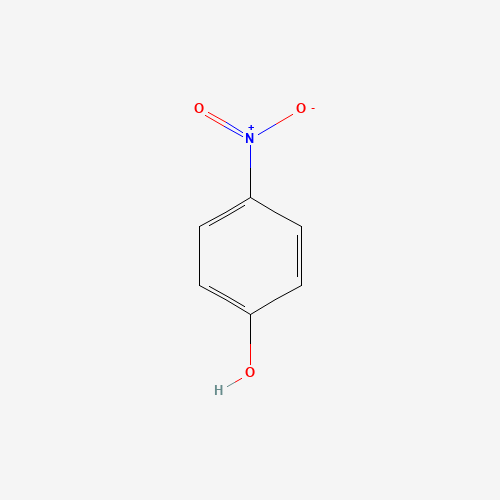
- DOT Label: Poison
- First Aid: INGESTION: DO NOT INDUCE VOMITING. Phenols are very toxic poisons AND corrosive and irritating, so that inducing vomiting may make medical problems worse. IMMEDIATELY call a hospital or poison control center and locate activated charcoal, egg whites, or milk in case the medical advisor recommends administering one of them. If advice from a physician is not readily available and the victim is conscious and not convulsing, give the victim a glass of activated charcoal slurry in water or, if this is not available, a glass of milk, or beaten egg whites and IMMEDIATELY transport victim to a hospital. If the victim is convulsing or unconscious, do not give anything by mouth, assure that the victim's airway is open and lay the victim on his/her side with the head lower than the body. DO NOT IN...
- Treatment: Methemoglobinemia can be treated with supplemental oxygen and methylene blue 1% solution at 1-2mg/kg administered intravenously slowly over five minutes followed by an IV flush with normal saline. Methylene blue restores the iron in hemoglobin to its normal (reduced) oxygen-carrying state. (L1613)
- Body Burden: Health and Nutrition Examination Survey II: 4-Nitrophenol was identified, not quantified, in the urine of 168 of 6,990 persons that had been exposed to methyl and ethyl parathion(1). Parathion sprayers had detectable levels of 4-nitrophenol of 1.587-8.571 ug/mL in urine(2). 4-Nitrophenol was detected in 57% of 15,904 urine samples collected from residents in seven states in the US at a mean and median concentration of 75 and 31 ug/L, respectively(3); 4-nitrophenol is used as a biomarker of methyl parathion exposure(3).
- Fire Hazards: Combustible. Gives off irritating or toxic fumes (or gases) in a fire. Finely dispersed particles form explosive mixtures in air.
- Safe Storage: Separated from combustible substances, reducing agents and food and feedstuffs. Well closed.
- Fire Fighting: Use water spray, powder, foam, carbon dioxide. In case of fire: keep drums, etc., cool by spraying with water.
- Toxicity Data: LD50: 380 mg/kg (Oral, Mouse) (T14) LD50: 75 mg/kg (Intraperitoneal, Mouse) (T14)
- Eye Prevention: Wear safety spectacles, face shield or eye protection in combination with breathing protection.
- Fire Potential: AROMATIC NITROCOMPOUNDS ARE FLAMMABLE ... /AROMATIC NITROCMPD/
- Health Effects: Nitrophenols may cause methemoglobinemia. This is a disorder in which there is an abnormally high level of methemoglobin in the blood, resulting in a decrease in the amount of oxygen that can be carried to the tissues and organs. (L1661, L1613)
- Health Hazards: Inhalation or ingestion causes headache, drowsiness, nausea, and blue color in lips, ears, and fingernails (cyanosis). Contact with eyes or skin causes irritation; can be absorbed through skin to give same symptoms as for inhalation. (USCG, 1999)
- Reactive Group: Phenols and Cresols
- Adverse Effects: Skin Sensitizer - An agent that can induce an allergic reaction in the skin.
- Cleanup Methods: Spill or leak procedures: Shovel into suitable dry container.
- EPA Ecotoxicity: Pesticide Ecotoxicity Data from EPA: 11
- Exposure Routes: Oral (L1661); inhalation (L1661); dermal (L1661)
- Fire Prevention: NO open flames. Closed system, dust explosion-proof electrical equipment and lighting. Prevent deposition of dust.
- Hazards Summary: The major hazards encountered in the use and handling of 4-nitrophenol stem from its toxicologic properties. Toxic by all routes (ie, inhalation, ingestion, dermal absorption), exposure to this odorless, colorless to yellow, crystalline substance, may occur from its use as a fungicide for leather products, or as a chemical intermediate in the syntheses of methyl and ethyl parathion. Effects from exposure may include burns to the skin and eyes, headache, dizziness, shock, unconsciousness, and death from cardiac or pulmonary failure. Contact with 4-nitrophenol should be protected against by wearing butyl rubber gloves, boots, chemical protective clothing which is specifically recommended by the shipper or producer, and a dust mask, organic vapor canister respirator, or in emergency situat...
- Inhalation Risk: Evaporation at 20 °C is negligible; a harmful concentration of airborne particles can, however, be reached quickly when dispersed.
- Skin Prevention: Protective gloves. Protective clothing.
- Physical Dangers: Dust explosion possible if in powder or granular form, mixed with air.
- Toxicity Summary: The nitrite in nitrophenols causes the autocatalytic oxidation of oxyhemoglobin to hydrogen peroxide and methemoglobin. This elevation of methemoglobin levels is a condition known as methemoglobinemia, and is characterized by tissue hypoxia, as methemoglobin cannot bind oxygen. (A2450, L1613)
- EC Classification: Symbol: Xn; R: 20/21/22-33; S: (2)-28
- RCRA Requirements: U170; As stipulated in 40 CFR 261.33, when p-nitrophenol, as a commercial chemical product or manufacturing chemical intermediate or an off-specification commercial chemical product or a manufacturing chemical intermediate, becomes a waste, it must be managed according to Federal and/or State hazardous waste regulations. Also defined as a hazardous waste is any residue, contaminated soil, water, or other debris resulting from the cleanup of a spill, into water or on dry land, of this waste. Generators of small quantities of this waste may qualify for partial exclusion from hazardous waste regulations (40 CFR 261.5).
- Spillage Disposal: Personal protection: particulate filter respirator adapted to the airborne concentration of the substance. Do NOT let this chemical enter the environment. Sweep spilled substance into covered sealable containers. If appropriate, moisten first to prevent dusting. Carefully collect remainder. Then store and dispose of according to local regulations.
- UN Classification: UN Hazard Class: 6.1; UN Pack Group: III
- Environmental Fate: ATMOSPHERIC FATE: According to a model of gas/particle partitioning of semivolatile organic compounds in the atmosphere(1), 4-nitrophenol, which has a vapor pressure of 9.79X10⁻⁵ mm Hg at 20 °C(2), will exist in both the vapor and particulate phases in the ambient atmosphere. An urban monitoring study in Rome Italy found the concentration to be higher in the particulate-phase compared to the vapor-phase(3). Vapor-phase 4-nitrophenol is degraded in the atmosphere by reaction with photochemically-produced hydroxyl radicals(SRC); the half-life for this reaction in air is estimated to be 3.7 days(SRC), calculated from its rate constant of 4.3X10⁻¹² cu cm/molecule-sec at 25 °C(SRC) that was derived using a structure estimation method(4). Particulate-phase 4-nitrophenol may be removed from th...
- First Aid Measures: Ingestion First Aid: Rinse mouth. Rest. Refer for medical attention .
- Food Survey Values: Lettuce sprayed with parathion (0.5 lb/acre) contained 0.061 ppm 4-nitrophenol at harvest on the trimmed head(1).
- Reactivity Profile: 4-NITROPHENOL is a slightly yellow, crystalline material, moderately toxic. Mixtures with diethyl phosphite may explode when heated. Decomposes exothermally, emits toxic fumes of oxides of nitrogen [Lewis, 3rd ed., 1993, p. 941]. Decomposes violently at 279 °C and will burn even in absence of air (USCG, 1999). Solid mixtures of the nitrophenol and potassium hydroxide (1:1.5 mol) readily deflagrate [Bretherick, 5th Ed., 1995].
- Signs and Symptoms: Symptoms of methemoglobinemia include shortness of breath, cyanosis, mental status changes, headache, fatigue, exercise intolerance, dizziness and loss of consciousness. Severe methemoglobinemia may cause dysrhythmias, seizures, coma and death. (L1613)
- Storage Conditions: Store in a cool, dry, well-ventilated location. Separate from alkalies and oxidizing materials.
- Exposure Prevention: PREVENT DISPERSION OF DUST! STRICT HYGIENE!
- EPA IRIS Information: Substance: p-Nitrophenol
- Ingestion Prevention: Do not eat, drink, or smoke during work.
- Medical Surveillance: Excretion of 4-nitrophenol, a metabolite of the organophosphorous pesticides, parathion, methylparathion, O-ethyl O-(p-nitrophenyl) phenyl phosphorothioic acid (EPN), and decapthion is a good indicator of human exposure to these pesticides.
- Inhalation Prevention: Use local exhaust or breathing protection.
- Nonfire Spill Response: ELIMINATE all ignition sources (no smoking, flares, sparks or flames) from immediate area. Do not touch damaged containers or spilled material unless wearing appropriate protective clothing. Stop leak if you can do it without risk. Prevent entry into waterways, sewers, basements or confined areas. Absorb or cover with dry earth, sand or other non-combustible material and transfer to containers. DO NOT GET WATER INSIDE CONTAINERS. (ERG, 2024)
- Air and Water Reactions: Soluble in hot water and more dense than water.
- Effluent Concentrations: -Nitrophenol was reported in effluent concentrations according to the USEPA's STORET database; from 1980-1982 the compound wasidentified, not quantified in 42 out of 1,318 samples(1). 4-Nitrophenol was detected in the treated effluents of the following industries: electrical/electronic components (< 22 ppb mean, 35 ppb max), organic chemicals manufacturing/plastics (190 ppb max), petroleum refining (< 1 ppb max), and textile mills (< 10 ppb max)(2). Additionally the raw wastewater of the following industries not listed above contained 4-nitrophenol (industry (concn)): auto and other laundries (14 ppb mean), aluminum forming (18 ppb max), metal finishing (10 ppb max), and photographic equipment/supplies (57 ppb max)(2). 4-Nitrophenol was detected in Long Island, NY, Washington, DC, Littl...
- Human Toxicity Excerpts: /OTHER TOXICITY INFORMATION/Poisonings are assumed to resemble both phenol & aniline.
- ICSC Environmental Data: The substance is toxic to aquatic organisms.
- Packaging and Labelling: Do not transport with food and feedstuffs.
- Fire Fighting Procedures: If material on fire or involved in fire: Extinguish fire using agent suitable for type of surrounding fire. (Material itself does not burn or burns with difficulty.) Use water in flooding quantities as fog. Use foam, dry chemical, or carbon dioxide. Keep run-off water out of sewers and water sources. /Nitrophenols/
- Isolation and Evacuation: FIRE: If tank, rail tank car or highway tank is involved in a fire, ISOLATE for 800 meters (1/2 mile) in all directions; also, consider initial evacuation for 800 meters (1/2 mile) in all directions. (ERG, 2024)
- Other Safety Information: Chemical Assessment: IMAP assessments - Phenol, 4-nitro-: Human health tier II assessment
- Soil Adsorption/Mobility: The sorption of benzoic acid, nitrobenzene, 4-nitrophenol, 2,4-dichlorophenoxyacetic acid, and naphthalene was determined for 10 Danish soils in laboratory studies(1); measured equilibrium isotherms were of nonlinear Freundlich type for nearly all combinations of soil test compounds(1); adsorption was significantly correlated with the organic carbon content of the soils tested(1); Koc values in the 10 soils ranged from 56 to 530 with an average Koc 210(1); no significant correlations with pH and cation exchange capacity were observed(1). The Koc of 4-nitrophenol was reported as 55 in Brookston clay loam(2) and a log Koc of 1.7 was reported in a second study(3). The increasing content of copper in two Chinese soils was shown to limit 4-nitrophenol adsorption(4). In sorption studies using...
- Carcinogen Classification: No indication of carcinogenicity to humans (not listed by IARC).
- Other Hazardous Reactions: Its exothermic decomposition causes a dangerously fast pressure increase.
- Atmospheric Concentrations: URBAN/SUBURBAN: 4-Nitrophenol was detected in Yokahama, Japan at concentrations of 5.1-42 ppm. 4-Nitrophenol was detected in the atmosphere of Boise, ID at concentrations of less than 0.04 ng/cu m to 2.7 ng/cu m(2). 4-Nitrophenol was detected in Great Dun Fell, UK at concentrations of less than 0.05 ng/cu m to 20.4 ng/cu m(3). 4-Nitrophenol was detected in Portland, OR at concentrations of 11-34 ng/cu m (mean, 24 ng/cu m) in 1984(4). The concentration of 4-nitrophenol in the urban air of Southern CA during Sept 8-9, 1993 monitoring ranged from 0.0-409.04 ng/cu m (average of 102.12 ng/cu m)(5). Ambient air samples collected in the downtown area of Rome, Italy between Feb and April 2003 contained mean 4-nitrophenol levels of 3.9 ng/cu m in gas-phase samples and 17.8 ng/cu m in particulate...
- EPA Hazardous Waste Number: U170; A toxic waste when a discarded commercial chemical product or manufacturing chemical intermediate or an off-specification commercial chemical product or a manufacturing chemical intermediate.
- NFPA Hazard Classification: NFPA Instability Rating: 2 - Materials that readily undergo violent chemical changes at elevated temperatures and pressures.
- Fish/Seafood Concentrations: 4-Nitrophenol was identified, not quantified, in fish from Lake Michigan tributaries and embayments(1).
- Artificial Pollution Sources: 4-Nitrophenol's production and use in the manufacture of parathion, N-acetyl-p-aminophenol (acetominophen), dyestuffs as well as a leather treatment agent(1,2) may result in its release to the environment through various waste streams(SRC). 4-Nitrophenol is a photooxidation product of nitrobenzene in air(3) and aromatic hydrocarbons such as benzene, toluene, and phenanthrene with nitric oxide in air(4). 4-Nitrophenol can be formed in the ambient atmosphere by the nighttime reaction of nitrate radicals with phenol(7). It is emitted in vehicular exhaust from both gasoline and diesel engines(4). 4-Nitrophenol is also a degradation product of parathion(5) and an impurity in the parathion formulation Thiophos and, therefore, will be released during the application of the insecticide(6).
- Evidence for Carcinogenicity: Cancer Classification: Group D Not Classifiable as to Human Carcinogenicity
- Sediment/Soil Concentrations: 4-Nitrophenol was detected in soil of Ville Mercier, Quebec, Canada at 2.6-70,400 ug/kg(1). 4-Nitrophenol was identified, not quantified, in 6 of 302 soil samples reported in the USEPA's STORET data base, 1980-82(2) and in soil/sediment samples from Love Canal, NY(3). A sediment sample collected from Taihu Lake in China contained a 4-nitrophenol concentration of 0.22 mg/kg(4).
- Effects of Long Term Exposure: Repeated or prolonged contact may cause skin sensitization.
- Hazard Classes and Categories: STOT RE 2 *
- Effects of Short Term Exposure: The substance is irritating to the eyes, skin and respiratory tract. The substance may cause effects on the blood. This may result in the formation of methaemoglobin. The effects may be delayed. Medical observation is indicated.
- Environmental Bioconcentration: BCF values of 2.5 to 7.8 were measured for carp (Carprinus carpio) exposed to 0.02 ppm and 0.2 ppm 4-nitrophenol over a 6-8 week incubation period(1). The BCF value of 4-nitrophenol was reported as 79 in fathead minnows(2) and 58 in golden orfe(3). According to a classification scheme(4), these BCF values suggest bioconcentration in aquatic organisms is low to moderate.
- Standard Transportation Number: 49 633 94; Nitrophenol
- Volatilization from Water/Soil: The Henry's Law constant for 4-nitrophenol is 1.28X10⁻⁸ atm-cu m/mole at 20 °C(1). This Henry's Law constant indicates that 4-nitrophenol is not expected to volatilize from water surfaces(2). The pKa of 4-nitrophenol is 7.15(3), indicating that this compound will partially exist in the ionized form in water and moist soils and the anion will not volatilize(SRC). 4-Nitrophenol is not expected to volatilize from dry soil surfaces(SRC) based upon a vapor pressure of 9.79X10⁻⁵ mm Hg at 20 °C(4).
- Antidote and Emergency Treatment: Advanced treatment: Consider orotracheal or nasotracheal intubation for airway control in the patient who is unconscious, has severe pulmonary edema, or is in severe respiratory distress. Positive-pressure ventilation techniques with a bag valve mask device may be beneficial. Consider drug therapy for pulmonary edema ... . Monitor cardiac rhythm and treat arrhythmias if necessary ... . Start IV administration of 0.9% saline (NS) or lactated Ringer's (LR) /SRP: "To keep open", minimal flow rate/. For dehydration and hypotension with signs of hypovolemia, administer fluid cautiously. Consider vasopressors if patient is hypotensive with a normal fluid volume. Watch for signs of fluid overload ... . Treat seizures with diazepam or lorazepam ... . Administer 1% solution methylene blue if pat...
- Protective Action Criteria (PAC): PAC-3: 34 [mg/m3]
- Shipment Methods and Regulations: The International Maritime Dangerous Goods Code lays down basic principles for transporting hazardous chemicals. Detailed recommendations for individual substances and a number of recommendations for good practice are included in the classes dealing with such substances. A general index of technical names has also been compiled. This index should always be consulted when attempting to locate the appropriate procedures to be used when shipping any substance or article.
- Environmental Abiotic Degradation: The rate constant for the vapor-phase reaction of 4-nitrophenol with photochemically-produced hydroxyl radicals has been estimated as 4.3X10⁻¹² cu cm/molecule-sec at 25 °C(SRC) using a structure estimation method(1). This corresponds to an atmospheric half-life of about 3.7 days at an atmospheric concentration of 5X10+5 hydroxyl radicals per cu cm(1). The rate constant for the aqueous-phase reaction of 4-nitrophenol with photochemically-produced hydroxyl radicals is reported as 3.8X10+9 L/mol-sec(2); this corresponds to a half-life of about 70 days(SRC) at a hydroxyl radical concentration of 3X10-17 moles/L in eutrophic water(3). The rate constant for the reaction between singlet oxygen and 4-nitrophenol in surface waters was measured as 2.6X10+6 L/mol-sec at 27 °C(4); this corresponds...
- Federal Drinking Water Guidelines: EPA 60 ug/l
- Probable Routes of Human Exposure: NIOSH (NOES Survey 1981-1983) has statistically estimated that 2,155 (1,533 of these are female) workers are potentially exposed to 4-nitrophenol in the US(1). Occupational exposure to 4-nitrophenol may occur through dermal contact with this compound at workplaces where 4-nitrophenol is produced or used or where the pesticide parathion is used(SRC). The general population may be exposed to 4-nitrophenol via inhalation of ambient air and ingestion of contaminated water(SRC).
- Environmental Water Concentrations: RAIN/SNOW: 4-Nitrophenol was identified, not quantified, in rainwater in Yokohama, Japan(1). 4-Nitrophenol was detected in the rain and snow of Hannover, Germany at concentrations of 0.49-17.1 ug/L(2). 4-Nitrophenol was detected in the rain and clouds of the Vosges mountains, France at concentrations of 1.11-16.27 ug/L (mean, 2.95 ug/L)(3). Snow samples from the Antarctic contained 0.008-0.013 ug/L 4-nitrophenol and rainwater from several German locations contained levels of 2-16 ug/L(4). Cloudwater samples collected from three European sites contained 4-nitrophenol concentrations of 2.2-21 ug/L(4).
- Environmental Fate/Exposure Summary: 4-Nitrophenol's production and use in the manufacture of methyl and ethyl parathion, N-acetyl-p-aminophenol (acetominophen), dyestuffs as well as a leather treatment agent may result in its release to the environment through various waste streams. 4-Nitrophenol is a photooxidation product of nitrobenzene in air and aromatic hydrocarbons such as benzene, toluene, and phenanthrene with nitric oxide in air. 4-Nitrophenol can be formed in the ambient atmosphere by the nighttime reaction of nitrate radicals with phenol. It is emitted in vehicular exhaust from both gasoline and diesel engines. 4-Nitrophenol is also a degradation product of parathion and an impurity in the parathion formulation Thiophos and, therefore, will be released during the application of the insecticide. If released to...
- Personal Protective Equipment (PPE): BUTYL RUBBER GLOVES; SIDE-SHIELD SAFETY GLASSES; /NIOSH APPROVED RESPIRATOR/ OR SELF-CONTAINED BREATHING APPARATUS
- Shipping Name/ Number DOT/UN/NA/IMO: IMO 6.1; Nitrophenols
- Skin, Eye, and Respiratory Irritations: Contact with the material may cause severe irritation to skin and eyes. /Nitrophenols/
- Hazardous Reactivities and Incompatibilities: Solid mixtures of 4-nitrophenol with potassium hydroxide (1:1.5 mol) readily deflagrate, at the rapid rate of 30 cm/min.
- EPA Provisional Peer-Reviewed Toxicity Values: PPRTV Assessment: PDF Document
- USGS Health-Based Screening Levels for Evaluating Water-Quality: Reference: Smith, C.D. and Nowell, L.H., 2024. Health-Based Screening Levels for evaluating water-quality data (3rd ed.). DOI:10.5066/F71C1TWP
Warm reminder:
Because the manufacturer may temporarily adjust product specifications, prices, inventory, parameters and other information without notice, and there are differences in each user's consultation time and procurement needs, the platform reply content is only of reference value within a certain period. Sorry for the inconvenience caused to you, and thank you for your understanding and support! Please consult the online customer service for the latest details. Everything is subject to the real-time reply of the customer service.!
Please check the quantity, appearance and product information in time when you receive the goods. In case of damage, wrong delivery, abnormal quality and other problems, please feel free to contact us.
Service Hotline:400-6226-992 ,We will handle it for you as soon as possible, thank you for your support and trust.!
Research chemical CAS 100-02-7 1. 2ml 500mg 2ml
Research chemical CAS 100-02-7 1. 2ml 500mg 2ml, complete specifications, for production, research, laboratory testing and inspection; digital one-stop procurement platform for scientific materials.