
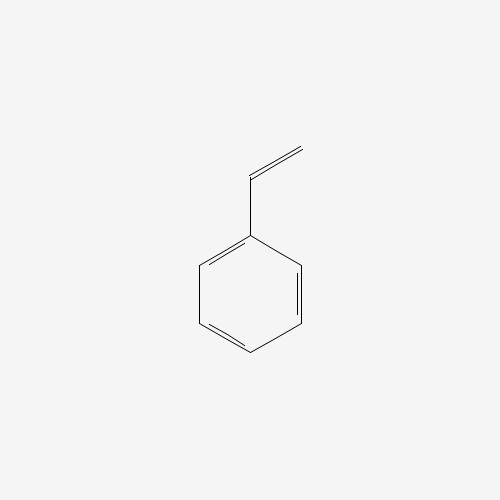
- DOT Label: Flammable Liquid
- First Aid: Swallow: Medical attention immediately - If this chemical has been swallowed, get medical attention immediately.
- Treatment: Treatment is mainly symptomatic and supportive. Respiratory assistance may be needed. (L1832)
- AEGLs Notes: AEGLs Status: Interim
- AEGLs Table: 8 hr: 340
- Fire Hazards: Flammable. Gives off irritating or toxic fumes (or gases) in a fire. Above 31 °C explosive vapour/air mixtures may be formed.
- Safe Storage: Fireproof. Separated from incompatible materials. See Chemical Dangers. Cool. Keep in the dark. Store only if stabilized. Store in an area without drain or sewer access.
- Fire Fighting: Use dry powder. Use foam. Use carbon dioxide. In case of fire: keep drums, etc., cool by spraying with water.
- Target Organs: Eyes, skin, respiratory system, central nervous system, liver, reproductive system
- Toxicity Data: LD50: 316 mg/kg (Oral, Mouse) (T14) LD50: 898 mg/kg (Intraperitoneal, Rat) (T14) LC50: 24 g/m3 over 4 hours (Inhalation, Rat) (T14)
- Eye Prevention: Wear safety goggles or eye protection in combination with breathing protection.
- Fire Potential: A very dangerous fire hazard when exposed to flame, heat, or oxidants. ... May ignite when heated with air + polymerizing polystyrene.
- Health Effects: Styrene causes nervous system depression and may be carcinogenic. Animals studies have also shown that hearing loss and liver damage may occur. (L1831, L1832)
- Health Hazards: ERG2024, Guide 128P (Styrene monomer, stabilized): · Runoff from fire control or dilution water may cause environmental contamination.
- OSHA Standards: Permissible Exposure Limit: Table Z-2 Acceptable maximum peak above the acceptable ceiling concentration for an 8-hour shift. Concentration: 600 ppm. Maximum Duration: 5 minutes in any 3 hours.
- Reactive Group: Polymerizable Compounds
- Adverse Effects: ACGIH Carcinogen - Confirmed Animal.
- Exposure Routes: Oral (L1832); Inhalation (L1832); Dermal (L1832)
- Fire Prevention: NO open flames, NO sparks and NO smoking. Above 31 °C use a closed system, ventilation and explosion-proof electrical equipment.
- Hazards Summary: The major hazards encountered in the use and handling of styrene stem from its toxicologic properties and flammability. Toxic by all routes (ie, inhalation, ingestion, and dermal contact), exposure to this colorless-to-yellow, sweet-smelling liquid may occur from its presence in the manufacture and use of plastics, synthetic rubber, resins, coatings, paints, floor waxes, adhesives, putty, metal cleaners, autobody fillers, and varnishes. Effects from exposure may include headache, fatigue, nausea, sensation of drunkenness, central nervous system depression, and irritation of the eyes, skin, and respiratory tract (including pulmonary edema). Also, the International Agency for Research on Cancer (IARC) has classified styrene as a Group 2B carcinogen (defined as an agent that is possibly ca...
- Inhalation Risk: A harmful contamination of the air will be reached rather slowly on evaporation of this substance at 20 °C.
- Skin Prevention: Protective clothing. Protective gloves.
- DOT ID and Guide: 2055 128P(inhibited)
- FDA Requirements: Synthetic flavoring substances and adjuvants may be safely used in food in accordance with the following conditions. (a) They are used in the minimum quantity required to produce their intended effect, and otherwise in accordance with all the principles of good manufacturing practice. (b) They consist of one or more of the following, used alone or in combination with flavoring substances and adjuvants generally recognized as safe in food, prior-sanctioned for such use, or regulated by an appropriate section in this part. Styrene is included on this list.
- Flammable Limits: Flammability: Class IC Flammable Liquid: Fl.P. at or above 73 °F and below 100 °F.
- Toxicity Summary: Styrene 7,8-oxide, a metabolite of styrene, can form DNA adducts by binding to deoxyguanosine. It is also mutagenic and causes increased frequency of sister chromatid exchange, chromosomal aberrations, micronucleated cells, and DNA strand breaks. (L1831)
- EC Classification: Symbol: Xn; R: 10-20-36/38; S: (2)-23; Note: D
- Reactivity Alerts: Peroxidizable Compound
- Spillage Disposal: Personal protection: chemical protection suit including self-contained breathing apparatus. Remove all ignition sources. Do NOT let this chemical enter the environment. Do NOT wash away into sewer. Collect leaking and spilled liquid in covered containers as far as possible. Absorb remaining liquid in sand or inert absorbent. Then store and dispose of according to local regulations.
- UN Classification: UN Hazard Class: 3; UN Pack Group: III
- Environmental Fate: ATMOSPHERIC FATE: According to a model of gas/particle partitioning of semivolatile organic compounds in the atmosphere(1), styrene, which has a vapor pressure of 6.4 mm Hg at 25 °C(2), is expected to exist solely as a vapor in the ambient atmosphere. Vapor-phase styrene is degraded in the atmosphere by reaction with photochemically-produced hydroxyl radicals(SRC); the half-life for this reaction in air is estimated to be 6.6 hours(SRC), calculated from its rate constant of 5.8X10⁻¹¹ cu cm/molecule-sec at 25 °C(3). Vapor-phase styrene is also degraded in the atmosphere by reaction with ozone and nitrate radicals; the half-lives for these reactions in air are 24 and 3.7 hours, respectively(4). Styrene does not strongly absorb light at wavelengths above 270 nm(5) and, therefore, is not ex...
- First Aid Measures: Ingestion First Aid: Rinse mouth. Do NOT induce vomiting. Give one or two glasses of water to drink. Rest.
- Minimum Risk Level: Acute Inhalation: 2 ppm (L134) Chronic Inhalation: 0.2 ppm (L134) Acute Oral: 0.1 mg/kg/day (L134)
- Reactivity Profile: STYRENE MONOMER is a colorless, oily liquid, moderately toxic, flammable. A storage hazard above 32 °C, involved in several industrial explosions caused by violent, exothermic polymerization [Bond, J., Loss Prev. Bull., 1985, (065), p. 25]. Polymerization becomes self-sustaining above 95 °C [MCA SD-37, 1971]. Presence of an inhibitor lessens but does not eliminate the possibility of unwanted polymerization. Violent polymerization leading to explosion may be initiated by peroxides (e.g., di-tert-butyl peroxide, dibenzoyl peroxide), butyllithium, azoisobutyronitrile. Reacts violently with strong acids (sulfuric acid, oleum, chlorosulfonic acid), strong oxidizing agents [Lewis, 3rd ed., 1993, p. 1185]. Reacts with oxygen above 40 °C to form explosive peroxide [Barnes, C. E. et al., J. Amer...
- Signs and Symptoms: Breathing high levels of styrene may cause nervous system effects such as changes in color vision, tiredness, feeling drunk, slowed reaction time, concentration problems, or balance problems. Chest burning, wheezing, and dyspnea may also occur. Styrene is irritating to the skin, eyes, and respiratory tract. (L1831, L1832)
- Exposure Prevention: STRICT HYGIENE!
- Milk Concentrations: Styrene was detected at 17.2 ug/kg in homogenized milk after 19 days storage in polystyrene packaging(1). Thirty-five milk samples from 8 grocery stores representing 8 processing plants from Arizona, California, Nevada and Utah were collected Jan-Feb 2002; styrene was detected at 0.04-1.59, 0.04-0.79 and 0.02-0.73 ng/mL in whole, 2% and 1% milk, respectively(2). Styrene was detected, but not quantified, in 8 of 8 human breast milk samples from US women in 4 cities(3).
- EPA IRIS Information: Reference Concentration (RfC), chronic: 1 mg/m^3
- Ecotoxicity Excerpts: /AQUATIC SPECIES/ The swimming activity of the amphipod, Pontoporeia affinis, was stimulated by styrene at concentrations between 2.3 and 23 mg/L. Higher styrene levels (35 and 46 mg/L) caused amphipods to cease swimming for several days, then resume greater than normal activity.
- Firefighting Hazards: Vapors are heavier than air and may travel to a source of ignition and flash back. Liquid floats on water and may travel to a source of ignition and spread fire. Hazardous polymerization may occur under fire conditions. Closed containers may rupture violently when heated. /Styrene monomer, inhibited/
- Ingestion Prevention: Do not eat, drink, or smoke during work.
- RAIS Toxicity Values: Oral Chronic Reference Dose Reference: IRIS Current
- Inhalation Prevention: Use ventilation, local exhaust or breathing protection.
- NIOSH Recommendations: Recommended Exposure Limit: 10 Hour Time-Weighted Average: 50 ppm (215 mg/cu m).
- TSCA Test Submissions: UNREVIEWED | A comparison of the metabolism of styrene (CAS #100-42-5) to R- and S-styrene oxide in mouse, rat, and human nasal tissues was made in vitro. Respiratory and olfactory nasal tissues, and liver tissues were removed separately from 40 Sprague-Dawley male rats and 100 CD-1 male mice, pooled according to tissue type, and S9 and microsomal fractions were collected from each group. Only one of nine human nasal tissue samples (4 females, 3 males, and 2 unknown donors) had sufficient quantity for preparation of a microsomal fraction; S9 fractions were prepared from the remaining eight. Human CYP2E1 was expressed and purified from E. coli. The metabolism of styrene to styrene oxide as well as the ratio of R to S enantiomers were determined using tissue fractions. Styrene and styrene...
- Nonfire Spill Response: LARGE SPILL: Dike far ahead of liquid spill for later disposal. Water spray may reduce vapor, but may not prevent ignition in closed spaces. (ERG, 2024)
- Air and Water Reactions: Highly flammable. Insoluble in water.
- Effluent Concentrations: Styrene, with o-xylene, was detected as a volatile given off of corn, alfalfa, and cereal silage, high moisture ground corn, total mixed ration, almond hulls and shells at 0.05, 0.19, 0.20, 0.17, 0.28, 0.15 and 0.12 ng/L(1). Styrene was qualitatively detected in combustion emissions in a study of simulated field burning of agricultural plastics(2).
- ICSC Environmental Data: The substance is toxic to aquatic organisms. It is strongly advised not to let the chemical enter into the environment.
- Packaging and Labelling: Airtight. Marine pollutant.
- Acceptable Daily Intakes: An ADI of 0.133 mg/kg/day was calculated on the basis of the available chronic toxicity data /for rats/.
- Isolation and Evacuation: Evacuation: ERG2024, Guide 128P (Styrene monomer, stabilized): · If tank, rail tank car or highway tank is involved in a fire, ISOLATE for 800 meters (1/2 mile) in all directions; also, consider initial evacuation for 800 meters (1/2 mile) in all directions.
- Other Safety Information: Chemical Assessment: IMAP assessments - Benzene, ethenyl-: Human health tier II assessment
- Soil Adsorption/Mobility: The Koc of styrene is reported as 912(1). According to a classification scheme(2), this Koc value suggests that styrene is expected to have low mobility in soil. More than 85% of styrene was sorbed after 78 hours on samples from a sandy aquifer(3). Styrene is retained by particulates particularly in organic matter-rich soils(3). Of styrene that had been allowed to sorb for 3 days, 61.0 and 66.7% was desorbed in 16 days from soil and aquifer soils, respectively(4).
- Carcinogen Classification: 2B, possibly carcinogenic to humans. (L135)
- DOT Hazard Classification: Placard/Label(s)
- Natural Pollution Sources: Styrene occurs naturally in the sap of the family Styracaceae(1). Styrene has been identified in trace amounts in the gummy exudate (storax balsam) from the damaged trunks of certain trees, probably from the natural degradation of the cinnamic acid derivatives that occur in large quantities in the exudates(2). Microorganisms may form styrene from p-hydroxycinnamic, p-coumaric, ferulic, and caffeic acids(3). Styrene is a constituent of various plant parts of a variety of plant species(4). Styrene has been detected in cinnamon, coffee beans, and peanuts(5).
- Other Hazardous Reactions: Mixing oleum and styrene monomer in a closed container caused the temperature and pressure to increase.
- Peroxide Forming Chemical: Reference(s): Kelly
- Toxic Combustion Products: ... Toxic gases and vapors (such as carbon monoxide) may be released in a fire involving styrene. Styrene fumes are very acrid.
- Toxicological Information: CDC-ATSDR Toxicological Profile
- NFPA Hazard Classification: NFPA Instability Rating: 2 - Materials that readily undergo violent chemical changes at elevated temperatures and pressures.
- Respirator Recommendations: Important additional information about respirator selection
- Accidental Release Measures: Spill or Leak: ERG2024, Guide 128P (Styrene monomer, stabilized): · Water spray may reduce vapor, but may not prevent ignition in closed spaces.
- Fish/Seafood Concentrations: The concentration of styrene in Korean salt-fermented fish and shrimp pastes were as follows: anchovy, 69.0 ng/g; big eyed herring, 223 ng/g; shrimp, 180 ng/g(1). The concentration of styrene in crabs (Charybdis feriatus) were 4.4 ug/kg dry wt for leg meat, 7.3 ug/kg dry wt for body meat, and 27.0 ug/kg for carapace meat(2).
- Lower Explosive Limit (LEL): 0.9%
- Populations at Special Risk: ... Effects on the liver (eg, increased serum bile acid and enhanced activity of plasma enzymes) and reproductive system (eg, decreased frequency of births and increased frequency of spontaneous abortions in female workers) have been reported.
- Upper Explosive Limit (UEL): 6.8%
- Artificial Pollution Sources: ... Styrene may be released to the environment via emissions from vents on process equipment, storage tank losses, miscellaneous leaks and spills, process wastewaters, and solid process wastes. Also, since a small percentage of styrene monomer is present in the final polymer product, the compound could diffuse out of the polymer. Another potential source of environmental entry of styrene is by the combustion of a styrene polymer product. Thermal degradation of 100 mg of polystyrene resulted in the release of 5.22 + or - 0.83 mg styrene at 350 °C and 5.84 + or - 1.94 mg styrene at 500 °C.
- Environmental Biodegradation: ANAEROBIC: Methanogentic consortia derived from anaerobic sludge were shown to degrade styrene(1). The initial transformation of styrene involves the addition of water across the double bond in the unsaturated side chain, resulting in the formation of phenylethanol(1).
- Evidence for Carcinogenicity: A4; Not classifiable as a human carcinogen. /Styrene, monomer/
- Sediment/Soil Concentrations: SOIL: In a 1986 report of a survey of 455 hazardous waste sites, styrene was found in samples of soil from 3.5% of the sites(1); in samples in which it was present, the geometric mean was 0.53 mg/kg(2). Soil at an unspecified site in Canada contained up to 0.2 ug/kg styrene(3). Styrene was detected in 2.5% of 705 samples from 30 industrial sites in samples taken in 1999 in Taiwan(4).
- Threshold Limit Values (TLV): TLV-STEL (Short Term Exposure Limit): 20 ppm [2020]
- Effects of Long Term Exposure: The substance defats the skin, which may cause dryness or cracking. The substance may have effects on the central nervous system. Exposure to the substance may increase noise-induced hearing loss. This substance is possibly carcinogenic to humans.
- Hazard Classes and Categories: Eye Irrit. 2
- Effects of Short Term Exposure: The substance is irritating to the eyes, skin and respiratory tract. If this liquid is swallowed, aspiration into the lungs may result in chemical pneumonitis. The substance may cause effects on the central nervous system. Exposure at high levels could cause unconsciousness.
- Environmental Bioconcentration: BCF ranges of 15-140 and 12-113 were measured in fish for styrene using carp (Cyprinus carpio) which were exposed over an 8-week period to 0.3 and 0.03 mg/L, respectively(1). A BCF of 13.5 was measured in goldfish for styrene(2). According to a classification scheme(3), these measured BCF values suggest the potential for bioconcentration in aquatic organisms is low to high(SRC). Calculated biomagnification factors (BMF) for styrene in water respiring organisms (zooplankton, forage and predatory fish) and air breathing organisms (reptile, amphibian, sea bird, marine mammal, terrestrial herbivore and carnivore, human) were all less than 1(4). [
- Explosive Limits and Potential: Explosive limits, vol% in air: 0.9-6.8
- Standard Transportation Number: 49 072 65; Styrene monomer, inhibited
- Volatilization from Water/Soil: The Henry's Law constant for styrene is estimated as 2.75X10⁻³ atm-cu m/mole(1). This Henry's Law constant indicates that styrene is expected to volatilize from water surfaces(2). Based on this Henry's Law constant, the volatilization half-life from a model river (1 m deep, flowing 1 m/sec, wind velocity of 3 m/sec)(2) is estimated as 3 hours(SRC). The volatilization half-life from a model lake (1 m deep, flowing 0.05 m/sec, wind velocity of 0.5 m/sec)(2) is estimated as 4 days(SRC). Styrene's Henry's Law constant indicates that volatilization from moist soil surfaces may occur(SRC). The potential for volatilization of styrene from dry soil surfaces may exist(SRC) based upon a vapor pressure of 6.4 mm Hg(3). Under laboratory conditions, 50% of 2 to 10 mg styrene per liter (depth not spe...
- State Drinking Water Guidelines: (ME) MAINE 140 ug/L
- Antidote and Emergency Treatment: Advanced treatment: Consider orotracheal or nasotracheal intubation for airway control in the patient who is unconscious, has severe pulmonary edema, or is in severe respiratory distress. Positive-pressure ventilation techniques with a bag-valve-mask device may be beneficial. Consider drug therapy for pulmonary edema ... . Consider administering a beta agonist such as albuterol for severe bronchospasm ... . Monitor cardiac rhythm and treat arrhythmias if necessary ... Start IV administration of D5W /SRP: "To keep open", minimal flow rate/. Use 0.9% saline (NS) or lactated Ringer's (LR) if signs of hypovolemia are present. For hypotension with signs of hypovolemia, administer fluid cautiously. Watch for signs of fluid overload ... .Treat seizures with diazepam (Valium) or lorazepam (Ativ...
- Federal Drinking Water Standards: EPA 100 ug/L
- Permissible Exposure Limit (PEL): TWA 100 ppm C 200 ppm 600 ppm (5-minute maximum peak in any 3 hours) See Appendix G
- Protective Action Criteria (PAC): PAC-3: 1100 [ppm]
- Recommended Exposure Limit (REL): TWA 50 ppm (215 mg/m3) ST 100 ppm (425 mg/m3)
- Shipment Methods and Regulations: PRECAUTIONS FOR "CARCINOGENS": When no regulations exist, the following procedure must be adopted. The carcinogen should be enclosed in a securely sealed, watertight container (primary container), which should be enclosed in a second, unbreakable, leakproof container that will withstand chem attack from the carcinogen (secondary container). The space between primary and secondary container should be filled with absorbent material, which would withstand chem attack from the carcinogen and is sufficient to absorb the entire contents of the primary container in the event of breakage or leakage. Each secondary container should then be enclosed in a strong outer box. The space between the secondary container and the outer box should be filled with an appropriate quantity of shock-absorbent m...
- Critical Temperature and Pressure: Critical temperature: 363.7 °C; critical pressure: 36.3 atm
- Environmental Abiotic Degradation: The rate constant for the vapor-phase reaction of styrene with photochemically-produced hydroxyl radicals has been calculated as 5.8X10⁻¹¹ cu cm/molecule-sec at 25 °C(1). This corresponds to an atmospheric half-life of about 6.6 hours at an atmospheric concentration of 5X10+5 hydroxyl radicals per cu cm(SRC). Atmospheric oxidation products of styrene include formaldehyde, benzaldehyde, benzoic acid, peroxybenzoyl nitrate, 2-nitrophenol, and formic acid(2-3). Vapor-phase styrene is also degraded in the atmosphere by reaction with ozone and nitrate radicals; the half-lives for these reactions in air are 24 and 3.7 hours, respectively(4). Styrene is not expected to undergo hydrolysis in the environment due to the lack of functional groups that hydrolyze under environmental conditions(3). S...
- Federal Drinking Water Guidelines: EPA 100 ug/L
- Probable Routes of Human Exposure: In Norway between 1972-1996, the average concentration of styrene in air during boat production, small items production, car body production, and other occupational environments were about 60, 40, 50 and 15 ppm, respectively(1). Exposure to styrene may occur during the use of miscellaneous products containing styrene such as floor waxes and polishes, paints, adhesives, putty, metal cleaners, autobody fillers, and varnishes(2). At fabrication facilities, workers may be exposed to unreacted monomer or monomer as a thermal degradation product(3).
- Occupational Exposure Limits (OEL): MAK (Maximale Arbeitsplatz Konzentration): 86 mg/m
- Other Environmental Concentrations: Styrene was detected in two coal tars at 0.01-0.02%(1). Styrene was qualitatively detected in a household product of liquid wax(2). Styrene has been detected at 18.0 ug/cigarette in the smoke of American domestic, filter blend cigarettes(3). The avg concentration of styrene from tobacco smoke in an exposure chamber designed to simulate passive indoor exposure ranged from 3.2-22.1 ug/cu m(4). The averge emission factor of styrene for 6 commercial brands of cigarettes was 147 ug/cigarette (range, 340-480 ug/cigarette)(5). The delivery of styrene in mainstream cigarette smoke ranges from 0.3 to 5.4 mg/cigarette(6). Styrene was detected in the air of buses and bus stations sampled in Hangzhou China at a concnetration of 1.7 and 1.5 ug/m cu, respectively(7).
- Environmental Fate/Exposure Summary: Styrene's production and use in plastic and resin manufacture may result in its release to the environment through various waste streams. Styrene has been identified as a natural constituent in the sap of some trees, cinnamon, coffee beans, and peanuts and as a constituent of various plant parts of a variety of plant species. If released to air, a vapor pressure of 6.4 mm Hg at 25 °C indicates styrene will exist solely as a vapor in the atmosphere. Vapor-phase styrene will be degraded in the atmosphere by reaction with photochemically-produced hydroxyl radicals; the half-life for this reaction in air is estimated to be 6.6 hours. Vapor-phase styrene is also degraded in the atmosphere by reaction with ozone and nitrate radicals; the half-lives for these reactions in air are 24 and 3.7 ho...
- Shipping Name/ Number DOT/UN/NA/IMO: IMO 3; Styrene monomer, stabilized
- Skin, Eye, and Respiratory Irritations: The principal acute hazards from worker exposure to styrene /is/ ... irritation of the skin, eyes, and upper respiratory tract.
- Exposure Control and Personal Protection: Maximum Allowable Concentration (MAK): 20.0 [ppm] (styrene monomer)[German Research Foundation (DFG)]
- Hazardous Reactivities and Incompatibilities: Reacts with oxygen above 40 °C to form a heat-sensitive explosive peroxide. Violent or explosive polymerization may be initiated by alkali-metal-graphite composites; butyllithium; dibenzoyl peroxide; other initiators (e.g., azoisobutyronitrile; di-tert-butyl peroxide). Reacts violently with chlorosulfonic acid; oleum; sulfuric acid; chlorine + iron(III)chloride (above 50 °C). May ignite when heated with air + polymerizing polystyrene. Can react vigorously with oxidizing materials.
- Immediately Dangerous to Life or Health (IDLH): See: 100425
- Hazard Quotient Level 3 or Cancer Risk Level 1E-04: Soil Saturation Concentration (mg/kg): 8.67e+02
- Hazard Quotient Level 0.1 or Cancer Risk Level 1E-06: Soil Saturation Concentration (mg/kg): 8.67e+02
- USGS Health-Based Screening Levels for Evaluating Water-Quality: Reference: Smith, C.D. and Nowell, L.H., 2024. Health-Based Screening Levels for evaluating water-quality data (3rd ed.). DOI:10.5066/F71C1TWP
Warm reminder:
Because the manufacturer may temporarily adjust product specifications, prices, inventory, parameters and other information without notice, and there are differences in each user's consultation time and procurement needs, the platform reply content is only of reference value within a certain period. Sorry for the inconvenience caused to you, and thank you for your understanding and support! Please consult the online customer service for the latest details. Everything is subject to the real-time reply of the customer service.!
Please check the quantity, appearance and product information in time when you receive the goods. In case of damage, wrong delivery, abnormal quality and other problems, please feel free to contact us.
Service Hotline:400-6226-992 ,We will handle it for you as soon as possible, thank you for your support and trust.!
Research chemical 99%; 5mL
Research chemical 99%; 5mL; supplied for laboratory research, analysis, inspection, and scientific procurement use; specifications: 99%; 5mL.