
- DOT Label: Corrosive
- First Aid: INGESTION: Induce vomiting. Get medical attention. (USCG, 1999)
- Treatment: Treatment of cobalt poisoning is symptomatic. (L29)
- Fire Hazards: Non-combustible, substance itself does not burn but may decompose upon heating to produce corrosive and/or toxic fumes. Some are oxidizers and may ignite combustibles (wood, paper, oil, clothing, etc.). Corrosives in contact with metals may evolve flammable hydrogen gas. Containers may explode when heated. For electric vehicles or equipment, ERG Guide 147 (lithium ion or sodium ion batteries) or ERG Guide 138 (sodium batteries) should also be consulted. (ERG, 2024)
- Fire Fighting: FIRE INVOLVING TANKS, RAIL TANK CARS OR HIGHWAY TANKS: Fight fire from maximum distance or use unmanned master stream devices or monitor nozzles. Do not get water inside containers. Cool containers with flooding quantities of water until well after fire is out. Withdraw immediately in case of rising sound from venting safety devices or discoloration of tank. ALWAYS stay away from tanks in direct contact with flames. (ERG, 2024)
- Toxicity Data: LD50: 150 mg/kg (Oral, Rat) (T14)
- Health Effects: Exposure to high amount of cobalt can cause heart, lung, kidney, and liver damage. Skin contact is known to result in contact dermatitis. Cobalt may also have mutagenic and carcinogenic effects. (L29, L30)
- Health Hazards: INHALATION: Inhalation of dust may cause pulmonary symptoms. EYES: Irritation. SKIN: Skin rashes, dermatitis. INGESTION: Nausea and vomiting caused by local irritation. (USCG, 1999)
- Reactive Group: Reducing Agents, Weak
- Adverse Effects: IARC Carcinogen - Class 2: International Agency for Research on Cancer classifies chemicals as probable (2a), or possible (2b) human carcinogens.
- Cleanup Methods: Liquid material spills can be copiously flushed with water and channeled to a treatment system or holding tank for reclamation or proper disposal. Spills of dry material can be removed by vacuuming or wet mopping. Some spills can be removed by hosing, first with a mist of water to dampen the spilled material and then with a more forceful stream that flushes it into a holding tank or other facility for handling contaminated water. Work surfaces or contaminated clothing should never be cleaned by dry sweeping or blowing with pressurized hoses. Recovery systems used to reclaim waste metals should comply with federal, state, and local regulations. All waste materials generated in the handling of cobalt-containing substances should be disposed of in compliance with federal, state, and local...
- Exposure Routes: Inhalation (L29); oral (L29); dermal (L29)
- Hazards Summary: A skin and eye irritant; An irritant; May cause skin sensitization; [MSDSonline] Handle with care because it is toxic and hygroscopic; [Ullmann] See Cobalt and FLUORIDES.
- Disposal Methods: Product: Offer surplus and non-recyclable solutions to a licensed disposal company. Contact a licensed professional waste disposal service to dispose of this material. Dissolve or mix the material with a combustible solvent and burn in a chemical incinerator equipped with an afterburner and scrubber. Contaminated packaging: Dispose of as unused product.
- Toxicity Summary: Cobalt is believed to exhibit its toxicity through a oxidant-based and free radical-based processes. It produces oxygen radicals and may be oxidized to ionic cobalt, causing increased lipid peroxidation, DNA damage, and inducing certain enzymes that lead to cell apoptosis. Cobalt has also been shown to block inorganic calcium channels, possibly impairing neurotransmission. Cobalt can also chelate lipoic acids, impairing oxidation of pyruvate or fatty acids. In addition, cobalt may inhibit DNA repair by interacting with zinc finger DNA repair proteins, and has also been shown to inhibit heme synthesis and glucose metabolism. Cobalt may activate specific helper T-lymphocyte cells and interact directly with immunologic proteins, such as antibodies (IgA and IgE) or Fc receptors, resulting i...
- Environmental Fate: ATMOSPHERIC FATE: Inorganic cobalt compounds are nonvolatile and released into the atmosphere in particulate form(1). Particulate-phase cobalt compounds are removed from the air by wet and dry deposition(SRC). Cobalt has been detected in atmospheric deposition(2) and in rain-snow precipitation(3).
- Minimum Risk Level: Chronic Inhalation: 0.0001 mg/m3 (L134) Intermediate Oral: 0.01 mg/kg/day (L134)
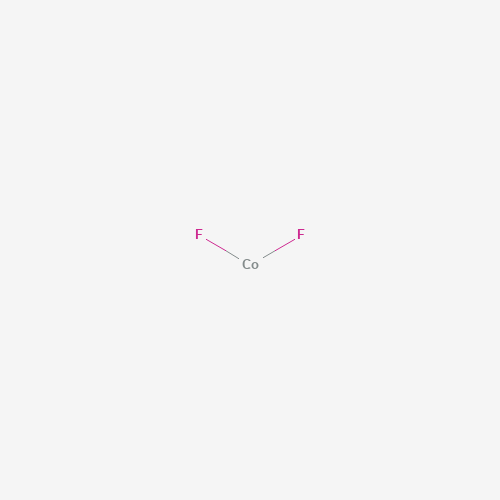
- Reactivity Profile: COBALT FLUORIDE is a toxic, light brown crystalline material, when exposed to water it forms highly corrosive hydrofluoric acid. When heated to decomposition it emits toxic fumes of metallic cobalt and fluorides [Lewis, 3rd ed., 1993, p. 344].
- Signs and Symptoms: Cobalt inhalation can cause asthma-like breathing problems. Skin contact is known to result in contact dermatitis, which is characterized by irritation and rashes. Ingesting large amounts of cobalt may cause nausea and vomiting. (L2090)
- Storage Conditions: Keep container tightly closed in a dry and well-ventilated place. Keep in a dry place.
- Human Toxicity Values: ... Estimated lethal human dose of soluble fluorides was about 2.5 g. ... Ingestion of as little as 9 mg/kg has caused human deaths. /Fluorides/
- Nonfire Spill Response: ELIMINATE all ignition sources (no smoking, flares, sparks or flames) from immediate area. Do not touch damaged containers or spilled material unless wearing appropriate protective clothing. Stop leak if you can do it without risk. Prevent entry into waterways, sewers, basements or confined areas. Absorb or cover with dry earth, sand or other non-combustible material and transfer to containers. DO NOT GET WATER INSIDE CONTAINERS. (ERG, 2024)
- Air and Water Reactions: Mixes slowly with water.
- Human Toxicity Excerpts: /SIGNS AND SYMPTOMS/ Initial symptoms /from ingestion include/ salivation, nausea, abdominal pain, vomiting, and diarrhea /and/ are secondary to the local action of fluoride on the intestinal mucosa. Systemic symptoms are varied and severe: increased irritability of the central nervous system consistent with the Ca2+ binding effect of fluoride and the resulting hypocalcemia; hypotension, presumably owing to central vasomotor depression as well as direct cardiotoxicity; and stimulation and then depression of respiration. Death can result from respiratory paralysis or cardiac failure. /Fluoride salts/
- Fire Fighting Procedures: Advice for firefighters: Wear self-contained breathing apparatus for firefighting if necessary.
- Isolation and Evacuation: FIRE: If tank, rail tank car or highway tank is involved in a fire, ISOLATE for 800 meters (1/2 mile) in all directions; also, consider initial evacuation for 800 meters (1/2 mile) in all directions. (ERG, 2024)
- Carcinogen Classification: 2B, possibly carcinogenic to humans. (L135)
- Non-Human Toxicity Values: LD50 Rat oral 150 mg/kg
- Non-Human Toxicity Excerpts: /VETERINARY CASE REPORTS/ ... Lameness; painful, stiff gait or posture; decreased feed intake; anorexia; rough haircoat; emaciation; and decreased milk production. Bony exostoses ... teeth have ... mottling and patchy loss of dentine. ... Spontaneous fractures may occur. ... Lesions consist of hyperostosis, porosis, enlargement ... roughening. /Fluoride/
- Populations at Special Risk: Populations that appear to be at increased risk from the effects of fluoride are individuals that suffer from diabetes insipidus or some forms of renal impairment. These high risk populations represent a relatively small segment of the general populations. /Fluoride/
- Artificial Pollution Sources: Cobaltous fluoride's production and use as a catalyst for organic synthesis(1,2) and alloying of metals(3), use for optical deposition to improve optical quality(3) and potential use in dental care(3) may result in its release to the environment through various waste streams(SRC).
- Evidence for Carcinogenicity: Cobalt and cobalt compounds that release cobalt ions in vivo are reasonably anticipated to be human carcinogens based on sufficient evidence of carcinogenicity from studies in experimental animals and supporting data from studies on mechanisms of carcinogenesis. /Cobalt and cobalt compounds/
- Hazard Classes and Categories: Carc. 2 (10.4%)
- Antidote and Emergency Treatment: Advanced treatment: Consider orotracheal or nasotracheal intubation for airway control in the patient who is unconscious, has severe pulmonary edema, or in severe respiratory distress. Positive pressure ventilation techniques with a bag valve mask device may be beneficial. Consider drug therapy for pulmonary edema ... Monitor cardiac rhythm and treat arrhythmias if necessary ... . Start IV administration of D5W. Use 0.9 saline (NS) or lactated Ringer's (LR) if signs of hypovolemia are present. Watch for signs of fluid overload. ... . For hypotension with signs of hypovolemia, administer fluids cautiously. Consider vasopressors if patient is hypotensive with a normal fluid volume. Watch for signs of fluid overload ... . Treat seizures with diazepam (Valium) or lorazepam (Ativan) ... Use...
- Permissible Exposure Limit (PEL): 2.5 [mg/m3], as F
- Personal Protective Equipment (PPE): Respiratory protection: Where risk assessment shows air-purifying respirators are appropriate use a full-face particle respirator type N100 (US) or type P3 (EN 143) respirator cartridges as a backup to engineering controls. If the respirator is the sole means of protection, use a full-face supplied air respirator. Use respirators and components tested and approved under appropriate government standards such as NIOSH (US) or CEN (EU).
- Exposure Control and Personal Protection: Maximum Allowable Concentration (MAK): 1.0 [mg/m3], inhalable fraction, as F[German Research Foundation (DFG)]
- Hazardous Reactivities and Incompatibilities: Incompatible materials: Acids, oxidizing agents.
Warm reminder:
Because the manufacturer may temporarily adjust product specifications, prices, inventory, parameters and other information without notice, and there are differences in each user's consultation time and procurement needs, the platform reply content is only of reference value within a certain period. Sorry for the inconvenience caused to you, and thank you for your understanding and support! Please consult the online customer service for the latest details. Everything is subject to the real-time reply of the customer service.!
Please check the quantity, appearance and product information in time when you receive the goods. In case of damage, wrong delivery, abnormal quality and other problems, please feel free to contact us.
Service Hotline:400-6226-992 ,We will handle it for you as soon as possible, thank you for your support and trust.!
Research chemical CAS 10026-17-2 100g
Research chemical CAS 10026-17-2 100g, complete specifications; suitable for production, research, laboratory testing and inspection; digital one-stop procurement platform for scientific materials.