
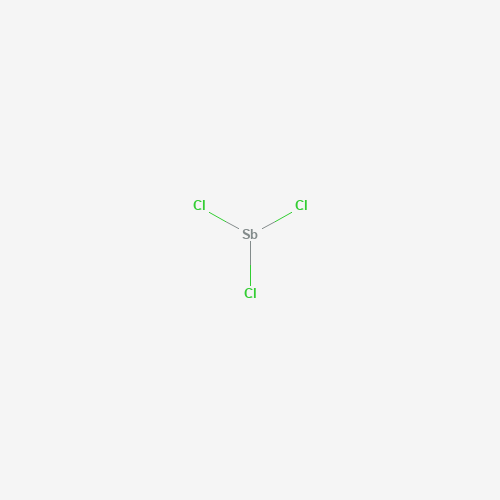
- DOT Label: Corrosive
- First Aid: ERG2024, Guide 157 (Antimony trichloride; Antimony trichloride, liquid; Antimony trichloride, solid): In Canada, an Emergency Response Assistance Plan (ERAP) may be required for this product. Please consult the shipping paper and/or the "ERAP" section.
- Treatment: Following oral exposure to antimony, administer charcoal as a slurry (240 mL water/30 g charcoal). Following inhalation exposure, move patient to fresh air. Monitor for respiratory distress. If cough or difficulty breathing develops, evaluate for respiratory tract irritation, bronchitis, or pneumonitis. Administer oxygen and assist ventilation as required. Treat bronchospasm with inhaled beta2 agonist and oral or parenteral corticosteroids. In case of eye exposure, irrigate exposed eyes with copious amounts of room temperature water for at least 15 minutes. Following dermal exposure, remove contaminated clothing and wash exposed area thoroughly with soap and water. A physician may need to examine the area if irritation or pain persists. (T36)
- Fire Hazards: Not combustible. Gives off irritating or toxic fumes (or gases) in a fire.
- Safe Storage: Separated from food and feedstuffs. Dry. Well closed.
- Fire Fighting: In case of fire in the surroundings, use appropriate extinguishing media.
- Toxicity Data: LD50: 525 mg/kg (Oral, Rat) (L772) LD50: 74 mg/kg (Oral, Guinea pig) (L772)
- Eye Prevention: Wear face shield or eye protection in combination with breathing protection.
- Health Effects: Dermal exposure to antimony can cause antimony spots (papules and pustules around sweat and sebaceous glands). Antimony poisoning can also lead to pneumoconiosis. Alterations in pulmonary function and other effects including chronic bronchitis, chronic emphysema, inactive tuberculosis, pleural adhesions, and irritation can result from inhalation of antimony. Increased blood pressure can also result from antimony poisoning. Myocardial depression, vasodilation and fluid loss may cause shock with hypotension, electrolyte disturbances and acute renal failure. Cerebral oedema, coma, convulsions, and death are possible. (L741)
- Health Hazards: ERG2024, Guide 157 (Antimony trichloride; Antimony trichloride, liquid; Antimony trichloride, solid): · Runoff from fire control or dilution water may be corrosive and/or toxic and cause environmental contamination.
- OSHA Standards: Permissible Exposure Limit: Table Z-1 8-Hour Time Weighted Avg: 0.5 mg/cu m. /Antimony and compounds (as Sb)/
- Reactive Group: Halogenating Agents
- Adverse Effects: IARC Carcinogen - Class 2: International Agency for Research on Cancer classifies chemicals as probable (2a), or possible (2b) human carcinogens.
- Cleanup Methods: ACCIDENTAL RELEASE MEASURES; Personal precautions, protective equipment and emergency procedures: Use personal protective equipment. Avoid dust formation. Avoid breathing vapors, mist or gas. Ensure adequate ventilation. Evacuate personnel to safe areas. Avoid breathing dust. Environmental precautions: Prevent further leakage or spillage if safe to do so. Do not let product enter drains. Discharge into the environment must be avoided. Methods and materials for containment and cleaning up: Pick up and arrange disposal without creating dust. Sweep up and shovel. Keep in suitable, closed containers for disposal.
- Exposure Routes: Inhalation (L741);oral (L741); dermal (L741)
- Hazards Summary: A corrosive substance that can cause injury to the skin, eyes, and respiratory tract; Can cause pulmonary edema; May have adverse effects on the heart; [ICSC] Causes myocardial degeneration and death in feeding studies of rats for 10 days at 135 mg/kg; Reacts violently with water; A corrosive substance that can cause injury to the skin, eyes, and respiratory tract; Inhalation may cause chemical pneumonitis; [MSDSonline] See Antimony and linked occupational diseases.
- Inhalation Risk: Evaporation at 20 °C is negligible; a harmful concentration of airborne particles can, however, be reached quickly when dispersed, especially if powdered.
- Skin Prevention: Protective gloves. Protective clothing.
- DOT ID and Guide: 1733 157
- Disposal Methods: Product: Offer surplus and non-recyclable solutions to a licensed disposal company. Contact a licensed professional waste disposal service to dispose of this material. Dissolve or mix the material with a combustible solvent and burn in a chemical incinerator equipped with an afterburner and scrubber. Contaminated packaging: Dispose of as unused product.
- Toxicity Summary: The inhalation data suggest that the myocardium is a target of antimony toxicity. It is possible that antimony affects circulating glucose by interfering with enzymes of the glycogenolysis and gluconeogenesis pathways. The mechanism of action of antimony remains unclear. However, some studies suggest that antimony combines with sulfhydryl groups including those in several enzymes important for tissue respiration. The antidotal action of BAL depends on its ability to prevent or break the union between antimony and vital enzymes. Moreover, the The cause of death is believed to be essentially the same as that in acute arsenic poisoning. (T18, L741, A238)
- EC Classification: Symbol: C, N; R: 34-51/53; S: (1/2)-26-45-61
- Reactivity Alerts: Air-Reactive
- Spillage Disposal: Personal protection: chemical protection suit including self-contained breathing apparatus. Do NOT let this chemical enter the environment. Sweep spilled substance into covered sealable containers. Carefully collect remainder. Then store and dispose of according to local regulations.
- UN Classification: UN Hazard Class: 8; UN Pack Group: II
- First Aid Measures: Ingestion First Aid: Rinse mouth. Do NOT induce vomiting. Give one or two glasses of water to drink. Refer for medical attention .
- Reactivity Profile: ANTIMONY TRICHLORIDE is a strong oxidizing agent, and it is slowly hydrolyzed to generate hydrochloric acid and antimony oxides.
- Signs and Symptoms: Abdominal pain, vomiting, diarrhea can result from inhalation of antimony. Dyspnea, headache, vomiting,cough, conjunctivitis, and bloody purulent discharge from nose can result from inhalation exposure. Skin or eye contact can cause pain and redness of the exposed surface. (T64, L741)
- Storage Conditions: Keep container tightly closed in a dry and well-ventilated place. Store under inert gas. Moisture sensitive. Reacts violently with water. Keep in a dry place. Storage class (TRGS 510): Non-combustible, corrosive hazardous materials.
- Exposure Prevention: AVOID ALL CONTACT! IN ALL CASES CONSULT A DOCTOR!
- Ingestion Prevention: Do not eat, drink, or smoke during work.
- RAIS Toxicity Values: Oral Subchronic Chronic Reference Dose Reference: PPRTV Current
- Inhalation Prevention: Use ventilation (not if powder), local exhaust or breathing protection.
- NIOSH Recommendations: Recommended Exposure Limit: 10 hr Time-Weighted avg 0.5 mg/cu m. /Antimony/
- TSCA Test Submissions: UNREVIEWED | Antimony chloride (CAS # 10025-91-9) was evaluated for genotoxicity in Swiss mice (5-14/group, sex ratio unspecified) administered doses of 0.5, 1.0 and 1.5 g/kg, by oral gavage as 50% solution in DMSO. Control mice were untreated. Mice were sacrificed at 24, 48, and 72 hours post-treatment for splenectomy with respective 3,000,000 cell/ml aliquot tissue samples (suspensions in phosphate-buffered saline) dispensed for determination of splenic antimony content (mg/g spleen tissue), and rates of treatment-related DNA damage and repair. Nucleoid sedimentation, and replicative DNA-synthesis and repair incorporation of (3)H-thymidine into DNA after irradiation were evaluated. Upon neutron-activation analysis, levels of antimony chloride present in spleens of orally treated mice...
- Nonfire Spill Response: SMALL SPILL: Cover with DRY earth, DRY sand or other non-combustible material followed with plastic sheet to minimize spreading or contact with rain. Use clean, non-sparking tools to collect material and place it into loosely covered plastic containers for later disposal. (ERG, 2024)
- Air and Water Reactions: Fumes in air to form hydrochloric acid [Merck 11th ed. 1989]. Decomposed by water to form hydrochloric acid and antimony oxychloride. The dry powdered oxide ignites on heating in air [Mellor Vol. 9 425.1939].
- ICSC Environmental Data: The substance is toxic to aquatic organisms.
- Packaging and Labelling: Do not transport with food and feedstuffs.
- Fire Fighting Procedures: Suitable extinguishing media: Use water spray, alcohol-resistant foam, dry chemical or carbon dioxide. Advice for firefighters: Wear self-contained breathing apparatus for firefighting if necessary.
- Isolation and Evacuation: Evacuation: ERG2024, Guide 157 (Antimony trichloride; Antimony trichloride, liquid; Antimony trichloride, solid): · If tank, rail tank car or highway tank is involved in a fire, ISOLATE for 800 meters (1/2 mile) in all directions; also, consider initial evacuation for 800 meters (1/2 mile) in all directions.
- Carcinogen Classification: No indication of carcinogenicity (not listed by IARC). (L135)
- DOT Hazard Classification: Placard/Label(s)
- Non-Human Toxicity Values: LD50 Guinea pigs oral 574 mg/kg
- Other Hazardous Reactions: Conditions to avoid: Heat. Incompatible materials: Strong bases, Reacts violently with water.
- Accidental Release Measures: Spill or Leak: ERG2024, Guide 157 (Antimony trichloride; Antimony trichloride, liquid; Antimony trichloride, solid): · Use clean, non-sparking tools to collect material and place it into loosely covered plastic containers for later disposal.
- Threshold Limit Values (TLV): (as Sb): 0.5 mg/m
- Effects of Long Term Exposure: The substance may have effects on the cardiovascular system.
- Hazard Classes and Categories: Aquatic Chronic 2
- Effects of Short Term Exposure: The substance is corrosive to the eyes, skin and respiratory tract. Corrosive on ingestion. Inhalation may cause lung oedema. The effects may be delayed. Medical observation is indicated.
- Standard Transportation Number: 49 323 16; Antimony trichloride, solid
- Antidote and Emergency Treatment: Call for medical aid. ... If breathing has stopped, give artificial respiration. If breathing is difficult, give oxygen. ... Remove contaminated clothing and shoes. Flush affected areas with plenty of water. If in eyes, hold eyelids open, and flush with plenty of water. If swallowed and victim is conscious, have victim drink water or milk. If swallowed and victim is unconscious or having convulsions, do nothing except keep victim warm.
- Permissible Exposure Limit (PEL): 0.5 [mg/m3], as Sb
- Protective Action Criteria (PAC): PAC-3: 100 [mg/m3]
- Shipment Methods and Regulations: The International Maritime Dangerous Goods Code lays down basic principles for transporting hazardous chemicals. Detailed recommendations for individual substances and a number of recommendations for good practice are included in the classes dealing with such substances. A general index of technical names has also been compiled. This index should always be consulted when attempting to locate the appropriate procedures to be used when shipping any substance or article. Antimony trichloride is included on the dangerous goods list.
- Critical Temperature and Pressure: Critical temperature: 794 K; critical pressure: 4.8200X10+6 Pa
- Occupational Exposure Limits (OEL): MAK (Maximale Arbeitsplatz Konzentration): carcinogen category: 2; germ cell mutagen group: 3A
- Shipping Name/ Number DOT/UN/NA/IMO: IMO 8.0; Antimony trichloride
- Emergency Response Planning Guidelines: Emergency Response: ERG2024, Guide 157 (Antimony trichloride; Antimony trichloride, liquid; Antimony trichloride, solid): · ALWAYS stay away from tanks in direct contact with flames.
- Skin, Eye, and Respiratory Irritations: ... Antimony trichloride is irritating and caustic to the skin, and its fumes are strongly irritating to the eyes, face and mucous membranes of the respiratory tract.
- Exposure Control and Personal Protection: Protective Clothing: ERG2024, Guide 157 (Antimony trichloride; Antimony trichloride, liquid; Antimony trichloride, solid): · Structural firefighters' protective clothing provides thermal protection but only limited chemical protection.
- EPA Provisional Peer-Reviewed Toxicity Values: Weight-Of-Evidence (WOE): Inadequate information to assess carcinogenic potential
- Immediately Dangerous to Life or Health (IDLH): 50 mg/cu m, as Sb /Antimony/
Warm reminder:
Because the manufacturer may temporarily adjust product specifications, prices, inventory, parameters and other information without notice, and there are differences in each user's consultation time and procurement needs, the platform reply content is only of reference value within a certain period. Sorry for the inconvenience caused to you, and thank you for your understanding and support! Please consult the online customer service for the latest details. Everything is subject to the real-time reply of the customer service.!
Please check the quantity, appearance and product information in time when you receive the goods. In case of damage, wrong delivery, abnormal quality and other problems, please feel free to contact us.
Service Hotline:400-6226-992 ,We will handle it for you as soon as possible, thank you for your support and trust.!
Research chemical CAS 10025-91-9 ≥99. 9% 500g
Yuanye Research chemical CAS 10025-91-9 ≥99. 9% 500g, complete specifications; suitable for production, research, laboratory testing and inspection; digital one-stop procurement platform for scientific materials.