

- DOT label: Flammable Liquid
- Health hazard: 注意: 石油原油(UN1267)可能含有有毒的硫化氢气体。吸入或接触材料可能刺激或灼伤皮肤和眼睛。火灾可能产生刺激性、腐蚀性和/或有毒气体。蒸气可能导致头晕或窒息,特别是在封闭或受限区域。灭火或稀释水的径流可能造成环境污染。(ERG, 2024)
- Hazard summary: 一种刺激物;[MSDS在线]
- reactive group: 烃类,芳香族
- Disposal method: SRP:最有利的行动方案是使用具有较低职业暴露或环境污染内在倾向的替代化学品产品。回收任何未使用材料的部分以获得批准的用途,或将其返回给制造商或供应商。化学品的最终处置必须考虑:材料对空气质量的影响;在土壤或水中的潜在迁移;对动物、水生和植物生命的影响;以及符合环境和公共卫生法规。
- First aid measures: 参考"一般急救"部分。特定急救:用肥皂和水清洗皮肤。如果烧伤,立即用冷水尽可能长时间地冷却受影响的皮肤。如果衣服粘在皮肤上,不要移除。(ERG, 2024)
- Emission concentration: 在由装有内燃机的船只引入水中的挥发性有机化合物中,仅在低浓度下观察到正丁基苯(1)。在工业平均汽油、EPA认证汽油和M-85(85%甲醇,15%汽油)中检测到正丁基苯,但在汽车尾气或蒸发排放物中均未检测到(2)。在纺织地板覆盖物释放的挥发性有机化合物中鉴定出正丁基苯(3)。正丁基苯是由四冲程舷外发动机排入水中的挥发性有机化合物之一(4)。正丁基苯是爱荷华州艾姆斯发电厂燃煤过程中排放的蒸汽和颗粒物中发现的化合物之一(5)。在废水中性组分中检测到浓度为8 ng/g的正丁基苯...
- flammable limit: 下限燃点: 0.8% (体积); 上限燃点: 5.8% (体积)
- Harmful effect: 神经毒素 - 急性溶剂综合征
- fire hazard: 高度易燃: 易被热、火花或火焰点燃。蒸气可能与空气形成爆炸性混合物。蒸气可能传播到点火源并回火。大多数蒸气比空气重。它们会沿地面扩散并聚集在低洼或受限区域(下水道、地下室、储罐等)。室内、室外或下水道中存在蒸气爆炸危险。标记为(P)的物质在加热或涉及火灾时可能发生爆炸性聚合。流入下水道可能造成火灾或爆炸危险。容器受热可能爆炸。许多液体将浮在水面上。物质可能在运输过程中处于热态。对于混合动力车辆,还应参考ERG指南147(锂离子或钠离子电池)或ERG指南138(钠电池)。如果涉及熔融铝,请参考...
- fire fighting: 涉及储罐、铁路罐车或公路罐车的火灾:从最大距离灭火或使用无人主流装置或监控喷嘴。用大量水冷却容器,直到火灾完全扑灭。对于原油,不要直接向破损的罐车喷水。这可能导致危险的沸溢。如果安全装置排气或罐体变色发出声音,立即撤离。始终远离直接接触火焰的罐。对于大规模火灾,使用无人主流装置或监控喷嘴;如果不可能,撤离区域并让火灾燃烧。(ERG, 2024)
- Fire extinguishing procedure: 若物料着火或参与火灾:除非能阻止流动,否则不要灭火。使用大量水以雾状形式。直流水可能无效。用大量水冷却所有受影响的容器。尽可能从远处喷水。使用泡沫、干粉或二氧化碳。防止径流水进入下水道和水体。/丁基苯/
- environmental fate: 大气归宿:根据大气中半挥发性有机化合物的气/粒分配模型(1),正丁基苯在25°C时的蒸气压为1.06 mm Hg(2),预计在环境大气中仅以蒸气形式存在。气相正丁基苯通过与光化学产生的羟基自由基反应在大气中降解(SRC);该反应在空气中的半衰期估计为1.8天(SRC),这是根据其在25°C时的速率常数8.7X10⁻¹² cu cm/分子-秒(SRC)计算得出的,该速率常数是通过结构估算法推导得出的(3)。正丁基苯不吸收波长>290 nm的光(4),预计不会因阳光而直接光解(SRC)。
- Preventive measures: If material not on fire and not involved in fire: Keep sparks, flames, and other sources of ignition away. Keep material out of water sources and sewers. Build dikes to contain flow as necessary. Attempt to stop leak if without undue personnel hazard. Use water spray to knock-down vapors. /Butyl benzenes/
- man-made pollution source: 正丁基苯的生产和使用于有机合成(1)可能通过多种废物流(SRC)释放到环境中。
- reactivity profile: 芳香烃(如正丁基苯)与强氧化剂接触可能发生剧烈反应,有时甚至爆炸。它们可以与碱和重氮化合物发生放热反应。苯环上的取代反应通过卤化(酸催化剂)、硝化、磺化和傅-克反应进行。
- reactive alarm: 高度易燃
- Ambient water concentration: 雨/雪/雾: 在1990/91年于南极Carezza湖采集的表面雪样中,发现正丁基苯浓度为15 ng/L;在1987/88年或1988/98年采集的其他采样点,正丁基苯低于5 ng/L的检测限(1)。
- ecotoxicity value: EC50 大型溞(水蚤;中毒,麻痹)340 ug/L/48 hr (95%置信区间:270-440 ug/L);静态
- Isolation and evacuation: 火灾:如果涉及罐、铁路罐车或公路罐车,应在所有方向上隔离800米(1/2英里);同时,考虑在所有方向上初始疏散800米(1/2英里)。(ERG, 2024)
- NFPA Hazard Classification: NFPA不稳定性等级:0 - 本身在火灾条件下通常稳定的物质。
- Food Survey Values: n-Butylbenzene was identified as one of the volatile compounds in headspace samples of peanut oil heated to 150 and 200 °C(1). n-Butylbenzene was detected in 28 foods of the 234 table-ready food items of the FDA Total Diet Study; the average concn was 15.9 ppb (range: 7.26-93.7 ppb), with the highest levels found in cake doughunts(2). n-Butylbenzene was identified in the noncondensable volatile fraction extracted from raw beef with supercritical carbon dioxide(3). n-Butylbenzene was identified during the headspace analysis of the uncondensed volatile compounds emitted during atmospheric pressure steam distillation of roasted filberts(4). n-Butylbenzene was found in volatiles of cooked mutton, cooked chicken, and roast beef(5).
- Air and water reaction: 高度易燃。不溶于水。
- non-human toxicity value: LD50 小鼠 皮下注射 1994.5 mg/kg
- Water/soil volatilization rate: 正丁基苯的亨利定律常数估计为 0.016 atm-cu m/mole(SRC),由其蒸气压 1.06 mm Hg(1) 和水溶性 11.8 mg/L(2) 推导得出。该亨利定律常数表明正丁基苯预计将从水面迅速挥发(3)。根据该亨利定律常数,从模型河流(1 m 深,流速 1 m/sec,风速 3 m/sec)(3) 的挥发半衰期估计为 3.5 小时(SRC)。从模型湖泊(1 m 深,流速 0.05 m/sec,风速 0.5 m/sec)(3) 的挥发半衰期估计为 4.6 天(SRC)。然而,预计水面的挥发会受到水中悬浮固体和沉积物吸附的衰减(SRC)。从模型池塘的估计挥发半衰期...
- RAIS Toxicity Values: 口服亚慢性慢性参考剂量参考: PPRTV 当前
- Hazard categories and classifications: 易燃物质 - 二级
- Environmental biodegradability: 好氧:在25°C下,用主要接收生活污泥的污水处理厂活性污泥培养5天后,正丁基苯(100 mg/L)降解了72-80%(1)。使用污水和驯化污泥,在20°C下5天后,正丁基苯分别达到其理论BOD的12.6%和13.9%(2)。在瓦氏呼吸计试验中,使用对苯驯化的活性污泥,在20°C和pH 7下,正丁基苯(500 ppm)在6-192小时内达到其理论BOD的1.5-47.5%(3)。在瓦氏呼吸计试验中,正丁基苯(500 mg/L)被发现在俄亥俄州两个市政工厂的污泥中对生物体有毒(4)。在仅含天然微生物菌群的炼油厂废水中,23天后正丁基苯未降解(未提供浓度)(5)。
- Shipping methods and regulations: 《国际海运危险货物规则》规定了运输危险化学品的基本原则。详细建议针对个别物质,以及一些良好实践建议包含在处理此类物质的章节中。还编制了技术名称的通用索引。尝试查找运输任何物质或物品时应使用的适当程序时,应始终查阅此索引。
- Non-fire leakage response: 大量泄漏:在液体泄漏前方筑堤以便后续处置。水喷雾可减少蒸气,但在封闭空间中可能无法防止点燃。(ERG, 2024)
- Soil adsorption/migration: 正丁基苯的沉积物-水分配系数对数平均值(平均log Kp)为2.00,由16次测量(1)确定;由此值计算得出log Koc为3.40(Koc=2,510)(2)。据报道,正丁基苯的实测log Koc为3.39(Koc=2,450)(3)。据报道,正丁基苯的Koc为2,460(4),由天然含水层材料与水的实测分配系数3.69计算得出(5)。根据一种分类方案(6),这些Koc值表明正丁基苯在土壤中预计具有轻微迁移性。
- Lower explosive limit (LEL): 8000 [ppm]
- Personal protective equipment (PPE): Personnel protection: ... Wear appropriate chemical protective gloves, boots and goggles. ... /Butyl benzenes/
- Possible routes of human exposure: NIOSH (NOES Survey 1981-1983) has statistically estimated that 42 workers are potentially exposed to n-butylbenzene in the US(1). Occupational exposure to n-butylbenzene may occur through inhalation and dermal contact with this compound at workplaces where n-butylbenzene is produced or used(SRC). Monitoring data indicate that the general population may be exposed to n-butylbenzene via inhalation of ambient air and ingestion of food and drinking water(SRC).
- Environmental bioconcentration: An estimated BCF of 470 was calculated for n-butylbenzene(SRC), using a log Kow of 4.38(1) and a regression-derived equation(2). According to a classification scheme(3), this BCF suggests the potential for bioconcentration in aquatic organisms is high(SRC).
- Environmental non-biodegradability: 正丁基苯与光化学产生的羟基自由基的气相反应速率常数在 25 °C 时估计为 8.7X10⁻¹² cu cm/molecule-sec(SRC),使用结构估算法(1)。这对应于在大气浓度为 5X10+5 羟基自由基每 cu cm 时的半衰期约为 1.8 天(1)。正丁基苯由于缺乏可水解的官能团,预计不会在环境中发生水解(2)。正丁基苯在波长 >290 nm 处不吸收光(3),并且预计不会受到阳光的直接光解(SRC)。
- Antidote and first aid: 高级治疗:对于意识不清或呼吸停止的患者,考虑经口或经鼻气管插管进行气道控制。使用带气囊面罩装置的正压通气技术可能有益。监测心律并在必要时治疗心律失常...用D5W /SRP:"保持开放",最小流速/建立静脉通路。如有低血容量迹象,使用乳酸盐林格氏液。注意液体过载迹象。考虑使用药物治疗肺水肿...。用地西泮(Valium)治疗癫痫...。使用盐酸丙对卡因辅助眼睛冲洗...。/芳烃及相关化合物/
- Protective Action Standards (PAC): PAC-3: 2,200 [ppm]
- Carcinogen Classification: 对人类无致癌性迹象(未被IARC列出)。
- DOT Hazard Classification: Placard/Label(s)
- Environmental fate/exposure summary: 正丁基苯的生产和在有机合成中的使用,可能会通过各种废物流将其释放到环境中。如果释放到空气中,25°C时1.06 mm Hg的蒸气压表明正丁基苯将在环境大气中仅以蒸气形式存在。气相正丁基苯将通过与光化学产生的羟基自由基反应在大气中降解;该反应在空气中的半衰期估计为1.8天。正丁基苯不吸收波长>290 nm的光,预计不会因阳光而直接光解。如果释放到土壤中,基于2,450-2,510的Koc值,正丁基苯预计具有轻微的迁移性。预计从潮湿土壤表面的挥发将是一个重要的归宿...
- Atmospheric Concentrations: SOURCE DOMINATED: 在 10 次采样中,正丁基苯在卡纳瓦谷(西弗吉尼亚州,一个拥有多种化学工业的重工业地区)的 ambient air 中被识别出 2 次(1)。对 8 个不同堆肥设施的调查显示,在 10 个采样区域中有 8 个区域的正丁基苯平均空气浓度为 1 至 47 ug/cu m(2)。
- Sediment/Soil Concentrations: SOIL: Soil samples were collected from 30 industrial sites in Taiwan (8 chemical and petrochemical industrial districts, 2 technology industrial parks, 11 general industrial districts, 2 metal processing areas, 2 oil refinery plants, 1 pesticide manufacturing plant, and 4 landfills) were monitored for 60 volatile organic chemicals; n-butylbenzene was detected with a frequency of approximately 1% in 705 soil samples(1).
- Critical Temperature and Pressure: Critical temperature: 720 K; critical pressure 3.65 MPa
- Shipping Name/Number DOT/UN/NA/IMO: UN 2709; 丁基苯
- Exposure Control and Personal Protection: 最大允许浓度 (MAK): 10.0 [ppm]
- EPA Provisional Peer-Reviewed Toxicity Values: 证据权重(WOE):信息不足,无法评估致癌潜力
- Hazard Quotient Level 3 or Cancer Risk Level 1E-04: 土壤饱和浓度 (mg/kg): 1.08e+02
- Hazard Quotient Level 0.1 or Cancer Risk Level 1E-06: 土壤饱和浓度 (mg/kg): 1.08e+02
- USGS Health-Based Screening Levels for Evaluating Water-Quality: 参考文献: Smith, C.D. and Nowell, L.H., 2024. 用于评估水质数据的基于健康的标准水平 (第 3 版)。DOI:10.5066/F71C1TWP
Warm reminder:
Because the manufacturer may temporarily adjust product specifications, prices, inventory, parameters and other information without notice, and there are differences in each user's consultation time and procurement needs, the platform reply content is only of reference value within a certain period. Sorry for the inconvenience caused to you, and thank you for your understanding and support! Please consult the online customer service for the latest details. Everything is subject to the real-time reply of the customer service.!
Please check the quantity, appearance and product information in time when you receive the goods. In case of damage, wrong delivery, abnormal quality and other problems, please feel free to contact us.
Service Hotline:400-6226-992 ,We will handle it for you as soon as possible, thank you for your support and trust.!
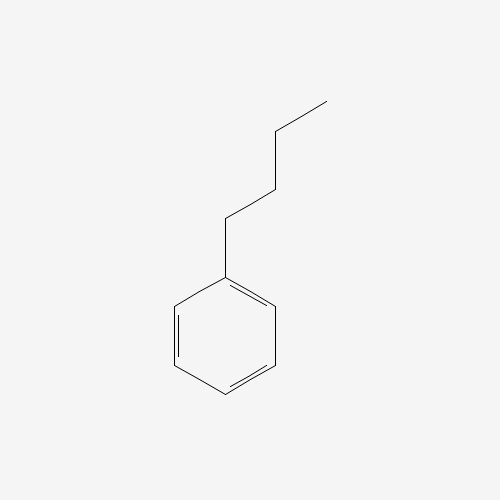
Research chemical CAS 104-51-8 ≥99. 8% GC 5ml
Research chemical CAS 104-51-8 ≥99. 8% GC 5ml, complete specifications; suitable for production, research, laboratory testing and inspection; digital one-stop procurement platform for scientific materials.




