

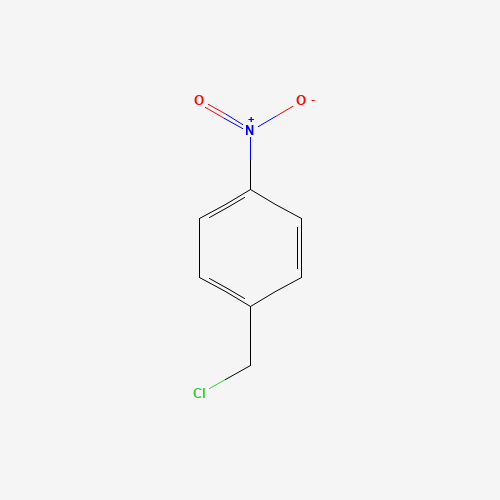
- DOT Label: Corrosive
- First Aid: 6. Rush to a health care facility. (EPA, 1998)
- Fire Hazards: Incompatible with sodium hydroxide. (EPA, 1998)
- Fire Fighting: This material may burn but does not ignite readily. Small fires: dry chemical, carbon dioxide, water spray or foam. Large fires: Water spray, fog or foam. Move container from fire area if you can do it without risk. (EPA, 1998)
- Toxicity Data: LCLo (rat) = 280 mg/m3/4h
- Health Hazards: Poisonous if swallowed or dust is inhaled. (EPA, 1998)
- Reactive Group: Nitro, Nitroso, Nitrate, and Nitrite Compounds, Organic
- Adverse Effects: Toxic Pneumonitis - Inflammation of the lungs induced by inhalation of metal fumes or toxic gases and vapors.
- Hazards Summary: Poisonous by ingestion and inhalation; [CAMEO] Corrosive; Causes burns; A lachrymator; May cause pneumonitis and pulmonary edema after inhalation of high concentrations; [MSDSonline]
- Reactivity Profile: Incompatible with sodium hydroxide. [EPA, 1998]. A halogenated aromatic nitro compound. Aromatic nitro compounds range from slight to strong oxidizing agents. If mixed with reducing agents, including hydrides, sulfides and nitrides, they may begin a vigorous reaction that culminates in a detonation. The aromatic nitro compounds may explode in the presence of a base such as sodium hydroxide or potassium hydroxide even in the presence of water or organic solvents. The explosive tendencies of aromatic nitro compounds are increased by the presence of multiple nitro groups.
- Nonfire Spill Response: Large spills: dike far ahead of spill for alter disposal. (EPA, 1998)
- Regulatory Information: New Zealand EPA Inventory of Chemical Status: 4-Nitrobenzyl chloride: Does not have an individual approval but may be used under an appropriate group standard
- Air and Water Reactions: May react slowly with water. (NTP, 1992)
- Isolation and Evacuation: FIRE: If tank, rail tank car or highway tank is involved in a fire, ISOLATE for 800 meters (1/2 mile) in all directions; also, consider initial evacuation for 800 meters (1/2 mile) in all directions. (ERG, 2024)
- Hazard Classes and Categories: Hazardous to the aquatic environment (Long-term) - Category 1
- Protective Action Criteria (PAC): PAC-3: 12 [mg/m3]
- Personal Protective Equipment (PPE): For emergency situations, wear a positive pressure, pressure-demand, full facepiece self-contained breathing apparatus (SCBA) or pressure- demand supplied air respirator with escape SCBA and a fully-encapsulating, chemical resistant suit. (EPA, 1998)
Warm reminder:
Because the manufacturer may temporarily adjust product specifications, prices, inventory, parameters and other information without notice, and there are differences in each user's consultation time and procurement needs, the platform reply content is only of reference value within a certain period. Sorry for the inconvenience caused to you, and thank you for your understanding and support! Please consult the online customer service for the latest details. Everything is subject to the real-time reply of the customer service.!
Please check the quantity, appearance and product information in time when you receive the goods. In case of damage, wrong delivery, abnormal quality and other problems, please feel free to contact us.
Service Hotline:400-6226-992 ,We will handle it for you as soon as possible, thank you for your support and trust.!
Research chemical ≥98. 0%; 100mg
Research chemical ≥98. 0%; 100mg; supplied for laboratory research, analysis, inspection, and scientific procurement use; specifications: ≥98. 0%; 100mg.




