

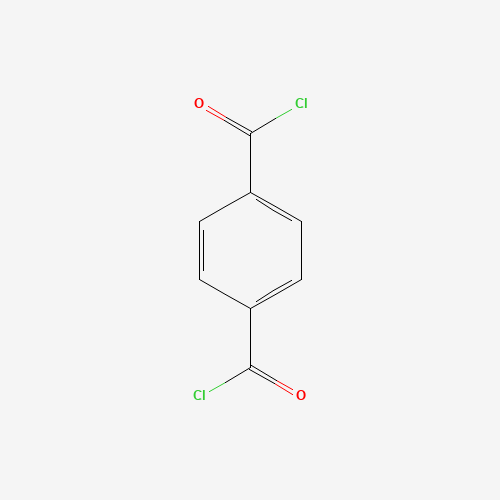
- Fire Hazards: Combustible. Gives off irritating or toxic fumes (or gases) in a fire. Finely dispersed particles form explosive mixtures in air.
- Safe Storage: Separated from strong oxidants. Dry. Well closed. Do NOT store or transport in containers made from metal.
- Fire Fighting: Use dry sand, powder, carbon dioxide. NO hydrous agents.
- Toxicity Data: LC50 (rat) = 700 mg/m3/4h
- Eye Prevention: Wear safety goggles or eye protection in combination with breathing protection.
- Adverse Effects: Toxic Pneumonitis - Inflammation of the lungs induced by inhalation of metal fumes or toxic gases and vapors.
- Exposure Routes: Serious by all routes of exposure.
- Fire Prevention: NO open flames. Closed system, dust explosion-proof electrical equipment and lighting. Prevent deposition of dust.
- Hazards Summary: A reproductive effector; Causes asphyxiation by upper airway obstruction after lethal-dose inhalation studies of mice; [RTECS] Dust/air mixture may be explosive; Reacts with water producing hydrogen chloride; A corrosive substance that can cause injury to the skin, eyes, and respiratory tract; Inhalation may cause upper airway edema and pulmonary edema; [ICSC] A skin irritant; Reacts with water; A corrosive substance that can cause injury to the skin, eyes, and respiratory tract; A lachrymator; Inhalation may cause chemical pneumonitis; Effects in high-dose animal studies include lacrimation, changes in renal tubules and other changes to the brain; [MSDSonline]
- Inhalation Risk: A harmful concentration of airborne particles can be reached quickly when dispersed.
- Skin Prevention: Protective clothing. Protective gloves.
- Physical Dangers: Dust explosion possible if in powder or granular form, mixed with air.
- Spillage Disposal: Personal protection: chemical protection suit and particulate filter respirator adapted to the airborne concentration of the substance. Sweep spilled substance into covered plastic containers. Carefully collect remainder. Then store and dispose of according to local regulations.
- First Aid Measures: Ingestion First Aid: Rinse mouth. Give one or two glasses of water to drink. Do NOT induce vomiting. Refer for medical attention .
- Signs and Symptoms: Ingestion Exposure: Abdominal pain. Nausea. Vomiting. Diarrhoea. Shock or collapse.
- Exposure Prevention: PREVENT DISPERSION OF DUST!
- Ingestion Prevention: Do not eat, drink, or smoke during work.
- Inhalation Prevention: Use local exhaust or breathing protection.
- Regulatory Information: New Zealand EPA Inventory of Chemical Status: Terephthaloyl dichloride: Does not have an individual approval but may be used under an appropriate group standard
- Hazard Classes and Categories: Specific target organ toxicity - Single exposure - Category 2 (systemic toxicity)
- Effects of Short Term Exposure: The substance is corrosive to the eyes, skin and respiratory tract. Corrosive on ingestion. Exposure could cause asphyxiation due to swelling in the throat. Inhalation may cause lung oedema.
- Protective Action Criteria (PAC): PAC-3: 31 [mg/m3]
- Skin, Eye, and Respiratory Irritations: SKIN IRRITANT.
Warm reminder:
Because the manufacturer may temporarily adjust product specifications, prices, inventory, parameters and other information without notice, and there are differences in each user's consultation time and procurement needs, the platform reply content is only of reference value within a certain period. Sorry for the inconvenience caused to you, and thank you for your understanding and support! Please consult the online customer service for the latest details. Everything is subject to the real-time reply of the customer service.!
Please check the quantity, appearance and product information in time when you receive the goods. In case of damage, wrong delivery, abnormal quality and other problems, please feel free to contact us.
Service Hotline:400-6226-992 ,We will handle it for you as soon as possible, thank you for your support and trust.!
Research chemical 2. 5kg; ≥97%
Research chemical 2. 5kg; ≥97%; supplied for laboratory research, analysis, inspection, and scientific procurement use; specifications: 2. 5kg; ≥97%.
2.5kg




