
- Treatment: Excess exposure to nickel is usually handled by preventing further exposure and symptomatic treatment. Nickel poisoning may also be treated using chelation therapy with sodium diethyldithiocarbamate. (L42)
- Health Effects: The most common harmful health effect of nickel in humans is an allergic reaction. This usually manifests as a skin rash, although some people experience asthma attacks. Long term inhahation of nickel causes chronic bronchitis and reduced lung function, as well as damage to the naval cavity. Ingestion of excess nickel results in damage to the stomach, blood, liver, kidneys, and immune system, as well as having adverse effects on reproduction and development. (L41)
- OSHA Standards: Permissible Exposure Limit: Table Z-1 8-hr Time Weighted Avg: 1 mg/cu m. /Nickel, soluble cmpd, as Ni/
- Adverse Effects: Asthma - Reversible bronchoconstriction (narrowing of bronchioles) initiated by the inhalation of irritating or allergenic agents.
- Exposure Routes: Inhalation (L41); oral (L41); dermal (L41)
- Hazards Summary: Warning: possible fluorosis after chronic exposure; Nickel compounds (7440-02-0) are classified by IARC as Group 1 (known human carcinogens). [ACGIH Guide to Occupational Exposure Values] See Nickel and linked occupational diseases. See FLUORIDES.
- Disposal Methods: SRP: At the time of review, criteria for land treatment or burial (sanitary landfill) disposal practices are subject to significant revision. Prior to implementing land disposal of waste residue (including waste sludge), consult with environmental regulatory agencies for guidance on acceptable disposal practices.
- Toxicity Summary: Nickel is known to substitute for other essential elements in certain enzmes, such as calcineurin. It is genotoxic, and some nickel compounds have been shown to promote cell proliferation. Nickel has a high affinity for chromatin proteins, particularly histones and protamines. The complexing of nickel ions with heterochromatin results in a number of alterations including condensation, DNA hypermethylation, gene silencing, and inhibition of histone acetylation, which have been shown to disturb gene expression. Nickel has also been shown to alter several transcription factors, including hypoxia-inducible transcription factor, activating transcription factor, and NF-KB transcription factor. There is also evidence that nickel ions inhibit DNA repair, either by directly inhibiting DNA repair...
- Minimum Risk Level: Intermediate Inhalation: 0.0002 mg/m3 (L134) Chronic Inhalation: 0.00009 mg/m3 (L134)
- Signs and Symptoms: Symptoms of nickel poisoning include headache, nausea, vomiting, dizziness, irritability, and difficulty sleeping, followed by chest pains, sweating, rapid heart beat, and a dry cough. (L42)
- Storage Conditions: Small quantities are stored ... in polyethylene bottles ... .
- NIOSH Recommendations: Recommended Exposure Limit: 10 Hr TWA 0.015 mg/cu m. /Nickel metal and other compounds (as Ni)/
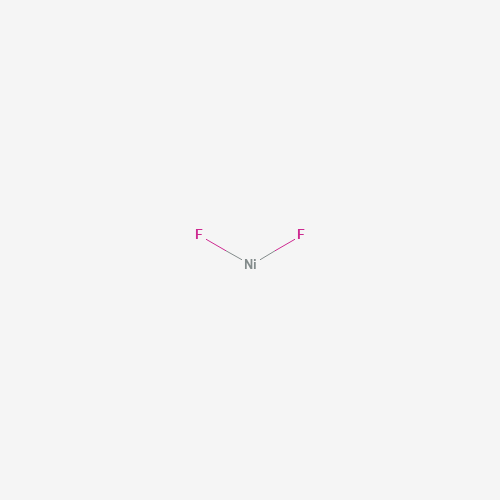
- Regulatory Information: New Zealand EPA Inventory of Chemical Status: Nickel fluoride (NiF2): Does not have an individual approval but may be used as a component in a product covered by a group standard. It is not approved for use as a chemical in its own right.
- Other Safety Information: Chemical Assessment: IMAP assessments - Nickel nitrate and nickel fluoride: Human health tier II assessment
- Carcinogen Classification: 1, carcinogenic to humans. (L135)
- Toxic Combustion Products: Toxic gases and vapors (such as nickel carbonyl) may be released in a fire involving nickel ... /Nickel & sol nickel cmpd/
- Hazard Classes and Categories: Aquatic Chronic 1
- Antidote and Emergency Treatment: Advanced treatment: Consider orotracheal or nasotracheal intubation for airway control in the patient who is unconscious. Positive pressure ventilation techniques with a bag valve mask device may be beneficial. Monitor cardiac rhythm and treat arrhythmias if necessary ... . Consider drug therapy for pulmonary edema ... . Start an IV with D5W /SRP: "To keep open", minimal flow rate/. Use lactated Ringer's if signs of hypovolemia are present. For hypotension with signs of hypovolemia, administer fluid cautiously. Consider vasopressors for hypotension with a normal fluid volume. Watch for signs of fluid overload ... . Use proparacaine hydrochloride to assist eye irrigation ... . /Nickel and related compounds/
- Permissible Exposure Limit (PEL): 1.0 [mg/m3], as Ni (2.5 mg/m3 as F)
- Exposure Control and Personal Protection: Maximum Allowable Concentration (MAK): 1.0 [mg/m3], as F, inhalable fraction[German Research Foundation (DFG)]
- Other Standards Regulations and Guidelines: Max allowable concn (MAX) USSR 0.005 mg/cu m as Ni /Nickel salts & aerosols/
- Immediately Dangerous to Life or Health (IDLH): NIOSH considers nickel metal and other compounds (as Ni) to be a potential occupational carcinogen. /Nickel metal and other compounds (as Ni)/
Warm reminder:
Because the manufacturer may temporarily adjust product specifications, prices, inventory, parameters and other information without notice, and there are differences in each user's consultation time and procurement needs, the platform reply content is only of reference value within a certain period. Sorry for the inconvenience caused to you, and thank you for your understanding and support! Please consult the online customer service for the latest details. Everything is subject to the real-time reply of the customer service.!
Please check the quantity, appearance and product information in time when you receive the goods. In case of damage, wrong delivery, abnormal quality and other problems, please feel free to contact us.
Service Hotline:400-6226-992 ,We will handle it for you as soon as possible, thank you for your support and trust.!
Research chemical CAS 10028-18-9 ≥97% 10g
Research chemical CAS 10028-18-9 ≥97% 10g, complete specifications; suitable for production, research, laboratory testing and inspection; digital one-stop procurement platform for scientific materials.